Infographics on the effects of digital media on their lives.
I have chosen Ledger of Harms as my source for my infographics because it is a reliable and authoritative source of information about the use of devices. The Ledger of Harms is a database that contains the harms that people suffer when they use digital media. Ledger of Harms is a joint project between the University of Pittsburgh and Carnegie Mellon University. The online database helps people understand the effects of digital media in their lives. The data provides information about how digital media affects our brains, attention spans, sleep patterns, and relationships with others.
Gary Crossey
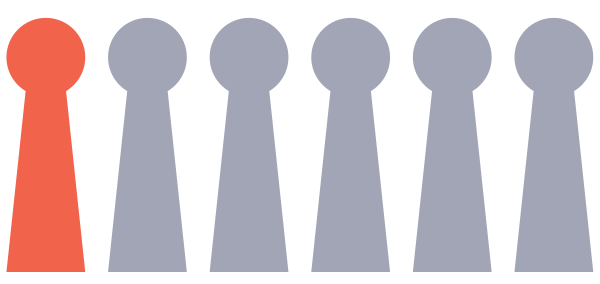
The Ledger of Harms database has more than 200 harms, with an average of five new ones being added every month.
The Next Generation (Ledger of Harms) addresses the impact of social media with children. I also see the same happening in my rural community. At the farmers market the conversations are often connected with Instagram, Tik Tok, and Facebook.
Infographics on the effects of digital media on their lives.
The Ledger of Harms database has more than 200 harms, with an average of five new ones being added every month.
What content teens are sharing?
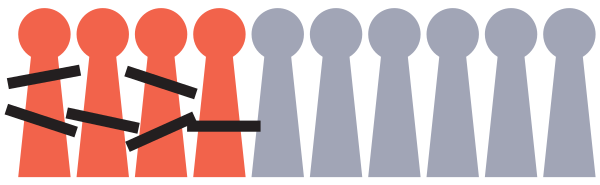
According to the 2021 Thorn Report Teens claimed that they shared content with someone who they believed was 18 or older.
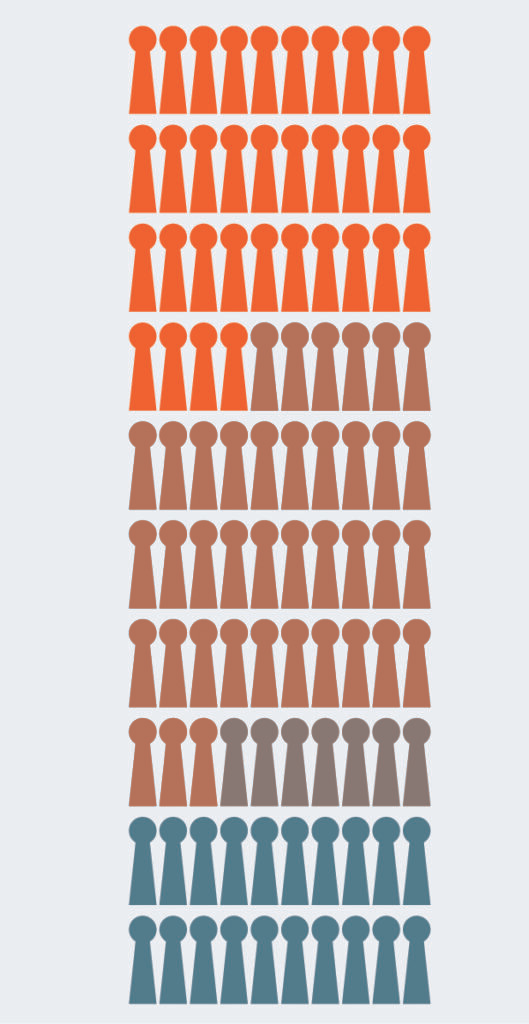
34% of teens said they shared a nude photo or video of another kid
73% of teens actually shared a nude photo or video of another kid
80% of those teens has shared a nude photo or video of themselves
Traits of Addiction
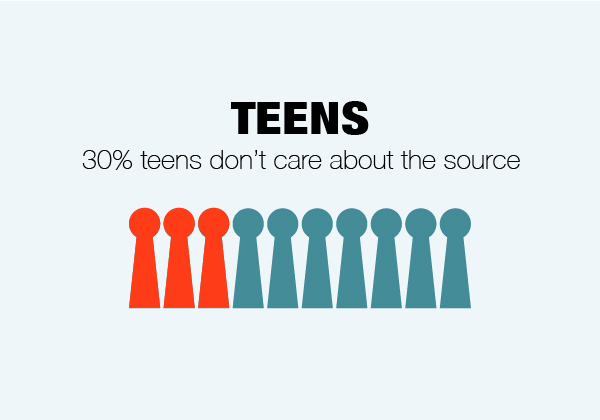
The teens involved in the report had less than 50% accuracy when reporting how many nudes of other people they had shared, compared to the actual amount they had shared.
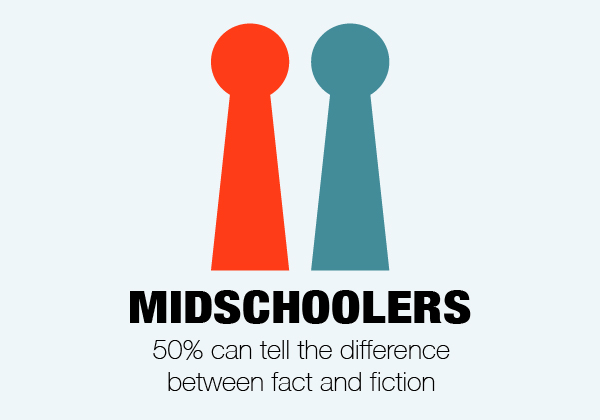
Similarly, 50% of Middle Schoolers are unable to tell the difference between fact and fiction.
For me this report, is aligning the traits of addiction - moving away from the external to the internal impact.
A Month in the Country is a novella by J. L. Carr that tells the story of a young man named Tom Birkin who is recovering from shell shock he experienced during World War I. Birkin is hired to uncover a mural in a village church in Yorkshire, England. While there, he develops a relationship with a fellow veteran named Moon and becomes romantically involved with a local woman named Alice Keach. The story explores themes of love, healing, and the passage of time.
Moon becomes a close friend and confidant to Birkin, and their relationship is an important source of comfort for both men.
The art restoration plays an important role in Birkin's mental health as it provides him with a sense of purpose and a distraction from his traumatic memories of the war. Through his work on the mural, Birkin is able to find a sense of peace and healing. Additionally, the beauty of the mural and the history it represents serve as a reminder of the enduring nature of art and culture, providing Birkin with a sense of hope for the future.
Furthermore, Birkin's relationship with Moon also contributes to his mental well-being. As fellow veterans, they bond over their shared experiences as World War I veterans and support each other as they work through their emotional trauma. They are able to understand and support each other through their emotional struggles. Their friendship provides Birkin with a much-needed sense of companionship and belonging. Although their relationship is not sexual, it is an important source of comfort and understanding for both men.
In addition, Birkin's growing romance with Alice Keach also plays a role in his healing process. Alice is a kind and compassionate woman who helps Birkin to feel comfortable and accepted in the village. Through his relationship with her, Birkin is able to let go of some of his emotional baggage and begin to live in the present moment.
If Birkin had stayed in Yorkshire with Moon, it is likely that their friendship would have continued to grow and provide comfort and support to both men. Birkin would have continued to work on the mural and might have found other ways to contribute to the village community. It is also possible that his relationship with Alice Keach might have developed further. However, the novella does not provide a definite answer to this question, and it is left up to the reader's interpretation.
A Month in the Country is a powerful exploration of the ways in which love, healing, and the passage of time can help individuals to overcome emotional trauma and find a sense of peace and purpose in their lives.
Fall is a season of change and transformation. It's a time for cozy sweaters, pumpkin spice lattes, and evenings by the fire.
To set the right tone for this transformative season, you need to choose your fall music carefully. Whether you're looking for the perfect autumn playlist or just some great songs to get you in the mood, there are plenty of options out there. From indie songs to modern pop hits, I hope my Fall 2022 Playlist helps you find the best music for fall that will make this season one of your favorites.
Fall 2022 Playlist
Welcome to the journey of self-discovery!
As the days get shorter and the weather gets colder, it can be easy to feel a little down. But, don't worry! There are plenty of uplifting and refreshing tunes that are perfect for getting you through those crisp autumn days. Whether you're looking for upbeat fall songs, happy autumn tunes, or inspiring fall tracks, this selection of music is sure to put a smile on your face and get you in the mood for the season.
The lyrics by Luren Nikohl (Raining Gold) are so powerful too - "Rise to unchained realms of truth". That's the type of truth I can get behind.
For those in the know - both members of The XX are featured respectfully with their solo projects (that they are both been active supporting each other). Building your support is most important as we travel though fall season in the winter.
I am here to help guide you as you take into account your body, mind, and soul. UPSAHL’s track Into My Body campaign is all about empowering you to ask yourself the tough questions and be ready for the answers. It’s a way to encourage your growth, confidence, and courage in being true to yourself.
I recently stumbled upon a song and it has been on repeat in my playlist since I discovered it - Ghostkeeper by Klangkarussell. This song came into my life at a time when I needed it the most. Recently, I lost one of my closest friends who was my musical brother. Listening to this song made me realize that when someone passes away, you lose your history that person holds.
Yes, the Fall 2022 playlist is Maria Uzor heavy, including her freshest and newest music. I think it's the perfect way to usher in the season. You may get hooked on Maria Uzor's sound, and won't be able to stop listening.
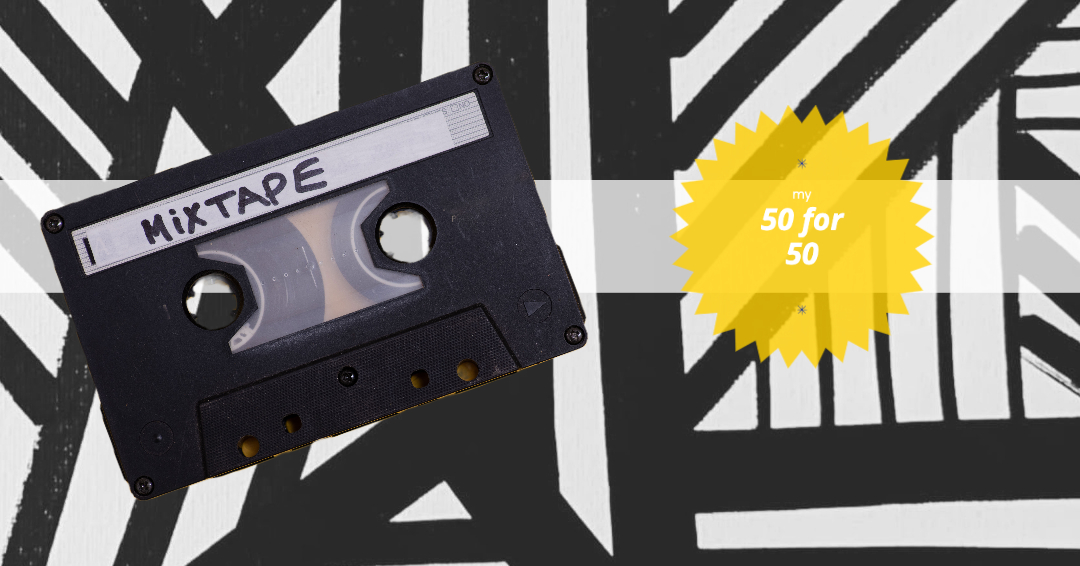
Celebrating a milestone birthday with a carefully curated collection of 50 songs that capture the essence of musical evolution, personal memories, and timeless artistry. This playlist spans genres and decades, creating a rich tapestry of sounds that reflects both personal taste and musical history.
About This Collection
A 50-track journey through diverse musical landscapes, this playlist serves as both a personal time capsule and a celebration of musical craftsmanship. Each song has been thoughtfully selected to represent different moments, moods, and musical movements that have shaped the past five decades.
Musical Journey
From intimate acoustic arrangements to expansive electronic compositions, this collection showcases the breadth and depth of musical expression. The playlist weaves together classic hits, hidden gems, and contemporary masterpieces, creating a dynamic listening experience that bridges generations of sound.
<aside> This playlist features 50 carefully selected tracks spanning multiple genres and eras, each chosen for its unique contribution to the musical landscape and personal significance.
</aside>
Listening Experience
The tracks are arranged to create an engaging listening journey, with natural ebbs and flows in energy and emotion. Whether enjoyed in sequence or on shuffle, each song adds its own distinct color to this musical celebration.
Explore this curated collection on Spotify to experience a personal musical journey spanning decades of artistic expression and emotional resonance.
Available for streaming on Spotify, this playlist invites listeners to discover or rediscover these carefully selected tracks, each contributing to a rich tapestry of musical exploration and celebration.