Responsive Menu
Add more content here...
Password Mantra

Password Mantra

Password Mantra:
How I Reach My Goals

AI Digital Art by Gary Crossey

Passwords are a crucial aspect of our daily lives as we use them to access our accounts, devices, and essential information. But did you know that you could also use passwords to help you reach your goals? It's true; creating a password mantra is a simple yet powerful technique that can help you stay motivated and on track.

A password mantra is a phrase or word that you use as a password, which reminds you of your goal every time you type it. This method is not only useful for keeping your accounts secure but can also help you stay focused on your aspirations.

I have used this technique to create a password mantra that reflects my financial goal of saving more in 2023. My password mantra, $aveMorein2023, reminds me of my commitment to this goal every time I type it. This, in turn, motivates me to take the necessary steps to achieve my financial objective.

In addition to being a helpful reminder, password mantras can also make it easier to remember passwords. Using a phrase or word that is meaningful to you can help you recall your password more easily, reducing the need to reset it frequently. So, consider creating a password mantra for your next password and see how it can help you stay motivated and secure.

AI Digital Art by Gary Crossey

Use special characters whenever possible in passwords, and include your goal dates or the date you set the goal. Make the numbers meaningful to you and your goal outcome.

! @ # $ % ^ & * ( ) _ + - = ' " : ; ' ? ` ~

But my experience isn't limited to financial goals alone. I have applied this technique to other areas of my life, such as fitness, cooking, travel, for anything really.

For example, when I wanted to develop a daily exercise routine, I created a password mantra that reflected my fitness goal - Workout4DaysAWeek. This password not only kept my account secure but also reminded me to think about staying fit and healthy. In this example, I actually set an unrealistic goal, I have zero personal fitness interest. DOC_Ument=AI~REsult=23 (now that's a password I can get behind).

By creating a password mantra that reflects your objectives, you can keep these goals at the forefront of your mind and take the necessary steps to achieve them.

AI Digital Art by Gary Crossey

Password Ideas

To make the password more secure, think about where you can add special characters (@#$%^&*:"+=-_,~`) with a mix or UPPER and Lower Case, with a Dash -- or Underline __.

DO NOT include personal information in your password

  • No Names (including pet names)
  • No Addresses
  • No birthdays or anniversary
    (unless you need to reminder the Anniversary - MARCH-iS~TIME
    avoid using precise personal information).
  • Avoid using common dictionary words or phrases (PushYourselfToNewLimits)

Inspirational Password Ideas

While I wouldn't use most of these examples for myself, simply cause they don't relate to me. Your Password Mantra only works if it relates to you. Use these ideas as your starting point. Connect your personal goal with your password.

  • $uccessIs[MyOnlyOption]
  • BeTheChangeYouWantToSee
  • Chase_YourDreams2024
  • CreateYour-OwnDestiny
  • FocusOnTheFutureNow
  • GoalGetter2024
  • HustleHarder=2024
  • WORKEqual$Success-24~7
  • PositiveVibesOnly2020
  • Rise&Grind-2024
  • #StayFocusedAndMotivated
  • ThinkBig_AchieveBIGGER
  • Unlock-Potential2024

Will creating a password help me reach my goal?

Aligning your Personal Password Goal with your password practice has absolutely no evidence to show any success yet. However, what it can certainly do is remind you of your failures.

If you set your password goal - $AVE4-trip2_Eire2022

And, in 2023 you haven't gone to Ireland you are reminded of your personal failure every time you use the password. To be truthful, I have passwords of goals going back ten years that I haven't reached, I also haven't forgotten them, and am reminded every time I have to login to that old GoDaddy account.

Travel Password Ideas

  • T#ravel_Th3_World!
  • S3e_Th3_World#
  • Adventur3_Awaits
  • Ex#plor3_New_Plac3s
  • J0urn3y_To_New_H3ights

Food Password Ideas

  • Cook_4_L0ve_And_Joy!
  • Bak3_M0r3_L0v3#
  • F00d_Is_Lif3
  • Spic3_Up_Your_Lif3!
  • Sav0ry_&_Sati$fying

Start today and make your password useful (and not personal).

Good Luck with reaching your goals.
Avoid using the same password for different accounts.
Update your passwords regularly to reflect your new goals.

Race After Technology: Abolitionist Tools for the New Jim Code

Race After Technology: Abolitionist Tools for the New Jim Code

Asheville Black Lives Matter
Race After Technology: Abolitionist Tools for the New Jim CodeRace After Technology: Abolitionist Tools for the New Jim Code
by Ruha Benjamin

Ruha Benjamin's book "Race After Technology" is a thought-provoking examination of the role technology plays in perpetuating racial discrimination and inequality. Benjamin describes how facial recognition technology, algorithms, and AI systems can reproduce and amplify existing patterns of discrimination. She argues that these technologies should be designed with more consideration for marginalized communities and offers solutions to mitigate their negative impact.

Throughout the book, Benjamin makes a compelling case for the importance of understanding the social and historical context in which new technologies are developed and implemented. She draws on examples from history and current events to illustrate the ways in which technology can perpetuate systemic racism.

While the book is at times a challenging read, Benjamin's clear and accessible writing style makes the content approachable for readers of all backgrounds. Overall, "Race After Technology" is a must-read for anyone interested in the intersection of technology and social justice, and offers important insights for designers, developers, and policymakers working in this space.

In the introduction, the author provides a comprehensive overview of the book and her background. This sets the stage for the rest of the book, which is divided into four chapters. Each chapter is focused on a different area of technology and its impact on racial justice.

Chapter One, titled "The New Jim Code," explores the ways in which new technologies are perpetuating racial discrimination and inequality. She argues that these technologies are not neutral and have the potential to reinforce existing patterns of oppression.

"Reality is something we create together, except that so few people have a genuine say in the world in which they are forced to live. Amid so much suffering and injustice, we cannot resign ourselves to this reality we have inherited. It is time to reimagine what is possible".

In Chapter Two, "The Coded Gaze," Benjamin analyses how facial recognition technology reinforces racial bias and stereotypes. She provides a detailed account of the history and development of facial recognition technology and how it has been used to target and discriminate against people of color.

In "The Coded Gaze," Joy Buolamwini analyzes how facial recognition technology reinforces racial bias and stereotypes. Buolamwini discusses various examples of how facial recognition technology has been used to target and discriminate against people of color, including cases where the technology misidentified individuals with darker skin tones. She also presents a detailed account of the history and development of facial recognition technology, outlining its evolution from early experiments in the 1960s to its widespread use today. Furthermore, Buolamwini highlights how the lack of diversity in the tech industry has contributed to the development of biased algorithms, and she proposes solutions for creating more inclusive and equitable technologies. "The Coded Gaze" serves as a wake-up call for the tech industry and society as a whole to address the harmful effects of biased technology and to strive towards a more just and equitable future.

Buolamwini's analysis of facial recognition technology is particularly relevant in light of recent events, such as the Black Lives Matter protests, which have brought to the forefront the issue of racial discrimination and inequality. Facial recognition technology has been used by law enforcement agencies to identify and track individuals, often resulting in the unjust targeting of people of color. Buolamwini's research highlights the urgent need for greater accountability and regulation of these technologies to ensure that they are not used to perpetuate systemic racism.

Buolamwini's work has also inspired a broader conversation about the role of technology in society and the need for greater diversity in the tech industry. By shining a light on the ways in which biased algorithms can perpetuate discrimination, Buolamwini has challenged the tech industry to re-evaluate its practices and to prioritize inclusivity and equity in the development of new technologies. Her work has also served as a call to action for marginalized communities to demand greater representation and to speak out against the harmful effects of biased technology.

"The Coded Gaze" is a powerful and thought-provoking analysis of the impact of facial recognition technology on racial bias and stereotyping. Buolamwini's research provides valuable insights into the history and development of this technology, and her proposed solutions offer a roadmap for creating more inclusive and equitable technological systems. Her work is a reminder of the importance of understanding the social and historical context in which technology is developed and implemented, and the need for greater accountability and transparency in the tech industry. "The Coded Gaze" is a must-read for anyone interested in the intersection of technology and social justice, and serves as an important contribution to the ongoing conversation about the role of technology in society.

Chapter Three, "Default Discrimination," discusses how algorithms and AI systems can reproduce and amplify existing patterns of discrimination. Benjamin presents several examples of how these systems can perpetuate bias and highlights the need for greater transparency and accountability in their development and deployment.

With a focus on the concept of "default discrimination," which refers to the ways in which algorithms and AI systems can reproduce and amplify existing patterns of discrimination. One of the key drivers of this phenomenon is biased data used to train machine learning models, particularly in the context of deep learning algorithms.

Deep learning algorithms are a subset of machine learning algorithms that use artificial neural networks to learn from large amounts of data. However, when these algorithms are trained on biased data, they can learn to reproduce and amplify the biases present in that data, leading to discriminatory outcomes.

To address this issue, Benjamin emphasizes the importance of greater transparency. She argues that designers, developers, and policymakers must work together to ensure that these systems are designed and trained with more consideration for marginalized communities, and that their impact is regularly monitored and evaluated. Additionally, Benjamin highlights the need for greater diversity in the tech industry, particularly in roles related to AI development and deployment.

By incorporating more diverse perspectives and experiences into the development process, it may be possible to identify and address bias more effectively and create more equitable and inclusive AI systems. Chapter 3 offers a powerful critique of the ways in which algorithms and AI systems can perpetuate bias and discrimination, and provides a roadmap for creating more just and equitable technological systems in the future.

Chapter Four, "Toward a Just Technology," Benjamin offers solutions to mitigate the negative impact of technology on marginalized communities.

Benjamin provides a recap of the main points of the book and a call to action for a more equitable and inclusive technological future. "Race After Technology" is a timely and important contribution to the ongoing conversation about the role of technology in society. It challenges readers to think critically about the ways in which technology can perpetuate systemic racism and provides a roadmap for creating a more just and inclusive technological future.

View all my Goodreads reviews
Chinese Ink Drawing

Chinese Ink Drawing

Chinese Ink Drawing: A Rich Tradition in Global Art

Chinese ink drawing, also known as brush painting, is a highly esteemed form of art that has been passed down for centuries. The history of ink drawing can be traced back to the Tang Dynasty (618-907 AD) and has since then been refined and perfected over generations.

Painting by Tsou Fu-Lei 1360

The Four Treasures of the Study are a set of tools that are integral to the practice of Chinese ink drawing. They consist of a brush, ink stick, inkstone, and paper, and were created during the Ming Dynasty. These tools are still regarded as the epitome of the art form, and continue to be used by artists around the world who practice Chinese ink drawing.

Four Treasures of the Study

Traditional ink drawings were often created by a single artist, who would carefully execute each stroke with great precision and attention to detail. However, there have been instances where a team of artists would collaborate on a single piece, each contributing their unique skills to the final product.

Despite the passage of time, ink drawing remains a popular form of art both in China and around the world. In fact, the practice has undergone a modern revival, with contemporary artists exploring new techniques and styles while still honoring the traditions of their ancestors. From its humble beginnings to its modern-day revival, the practice continues to inspire and captivate artists and art enthusiasts alike.

Some of the most notable masters of ink drawing include Wu Guanzhong, Qi Baishi, and Zhang Daqian. Each of these artists brought their unique perspectives to the art form, creating highly individualized pieces that are still celebrated today.

Wu Guanzhong

Wu Guanzhong

Wu Guanzhong was a renowned Chinese ink painting artist who is considered one of the most important figures in modern Chinese art history. He is known for his innovative style that blended traditional Chinese ink painting techniques with Western modernism.

Guanzhong was unique in his emphasis on expression and the emotions conveyed through his brushstrokes. He believed that ink painting should not simply be a representation of the external world, but should instead capture the inner essence of the artist's emotions and thoughts.

In his works, Guanzhong employed a wide range of tools including traditional brushes, ink, and paper, as well as more modern tools like knives and sponges. He experimented with various textures and techniques, creating works that were highly individualized and expressive.

Guanzhong's art continues to be celebrated today, not only for its technical mastery but also for its emotional depth and innovative approach to the art form.

Qi Baishi

Qi Baishi is known for his unique style that blended traditional Chinese painting techniques with a more free-form approach.

Baishi's art was characterized by its whimsical and playful nature, often featuring images of animals, plants, and insects. He employed a wide range of techniques, including the use of dots, splashes, and smears to create texture and depth. What sets Baishi apart from other artists is his ability to capture the essence of his subjects through his brushstrokes.

In contrast to Wu Guanzhong, Baishi's focus was not on expressing his own emotions and thoughts, but rather on capturing the essence of the world around him. However, both artists were known for their innovative approaches to the art form and their willingness to experiment with new techniques and styles.

Zhang Daqian

Zhang Daqian - Manchurian Mountains 1969 - Splashed ink and color on paper.

Zhang Daqian was known for his bold use of color and texture in his works. He incorporated elements of Western art, such as Impressionism and Fauvism, into his paintings, creating works that were both innovative and deeply rooted in Chinese tradition.

Zhang was also known for creating works that were both technically impressive and emotionally resonant.

While Baishi, Guanzhong, and Daqian had different perspectives on art, they each contributed greatly to the development and appreciation of Chinese ink painting. One similarity the artists shared was their deep appreciation for the traditional techniques of ink painting. All three artists were well-versed in the classic styles of Chinese ink painting and used these techniques as a foundation for their own work. They also shared a commitment to experimentation, each developing their own unique approach to the art form.

Modern Day Conversation

If Guanzhong, Baishi, and Daqian met on a Saturday morning in a modern day coffee shop.

Upon finding a seat with the seasonal coffee of the day, Zhang Daqian may want to discuss his innovative approach to incorporating Western art styles into Chinese ink painting. He may also want to discuss the importance of color and texture in his works and how they contribute to the emotional impact of his paintings.

While sipping on a double Latte Qi Baishi may want to discuss his whimsical and playful style, and how he believed that paintings should convey the spirit and essence of the subject. He may also want to discuss his use of dots, splashes, and smears to create texture and depth in his works.

Wu Guanzhong, with his Oak Milk Cappuccino may want to discuss his emphasis on emotions and thoughts in ink painting, and how his works were highly individualized and expressive. He may also want to discuss his use of modern tools like knives and sponges, and how they contribute to the unique texture and style of his paintings.

In their conversation, the artists may discuss the importance of tradition in Chinese ink painting, and how they each built upon these traditions in their own unique ways. They may also discuss the role of experimentation in their work, and how they each used new techniques and styles to create highly individualized and innovative works of art.

The conversation would likely revolve around the artists' shared love of Chinese ink painting, and how they each contributed to the development and appreciation of the art form. They may discuss the challenges they faced as artists, as well as the joy and satisfaction they found in creating works that were both skillfully executed and deeply moving. They would have a rich and engaging conversation that would highlight the beauty and complexity of Chinese ink painting.

Ink Drawings
Ink Drawings - Digitally Created by Gary Crossey
Dao De Jing by Laozi

Dao De Jing by Laozi

Dao De Jing

Dao De JingDao De Jing by C.C. Tsai


Dao De Jing, also known as Tao Te Ching, is a book of Chinese philosophy written by Laozi in the 6th century BC. This book is considered one of the most important works in Chinese literature and philosophy, and it has been translated into many languages.

The book is important today because it presents ideas that are still relevant to modern society. It discusses the concept of the "Dao", or the way, which represents the ultimate reality of the universe. The book also presents the idea of the "De", or virtue, which is the way in which people should live their lives to be in harmony with the Dao. These concepts are still studied and applied in modern society, particularly in areas such as philosophy, religion, and self-help.

When the book was first published, the concepts presented in it were not widely accepted. The book was considered too radical and unconventional, and it was not until the Han Dynasty that it gained popularity. However, its influence continued to grow, and it eventually became a cornerstone of Chinese philosophy.

Without this book, the world would be without the profound philosophical ideas that have influenced countless people throughout history. The concepts of the Dao and De have had a significant impact on Chinese culture and society, and they have also influenced Western philosophy through the works of philosophers such as Friedrich Nietzsche and Martin Heidegger.

After reading this book, the reader should reflect on the ideas presented and consider how they can be applied to their own life. The book emphasizes the importance of living in harmony with the natural world and cultivating inner peace, and the reader should strive to incorporate these values into their daily life. Additionally, the book encourages the reader to embrace simplicity and humility, which can lead to a more fulfilling and meaningful life.

Dao De Jing is a timeless work of philosophy that continues to be relevant in modern society. Its concepts have had a profound impact on Chinese culture and philosophy, and they have also influenced Western thought.
View all my Goodreads reviews
Alexander Gardner

Alexander Gardner

Alexander Gardner's Photography and its Lasting Impact in Today's Digital World

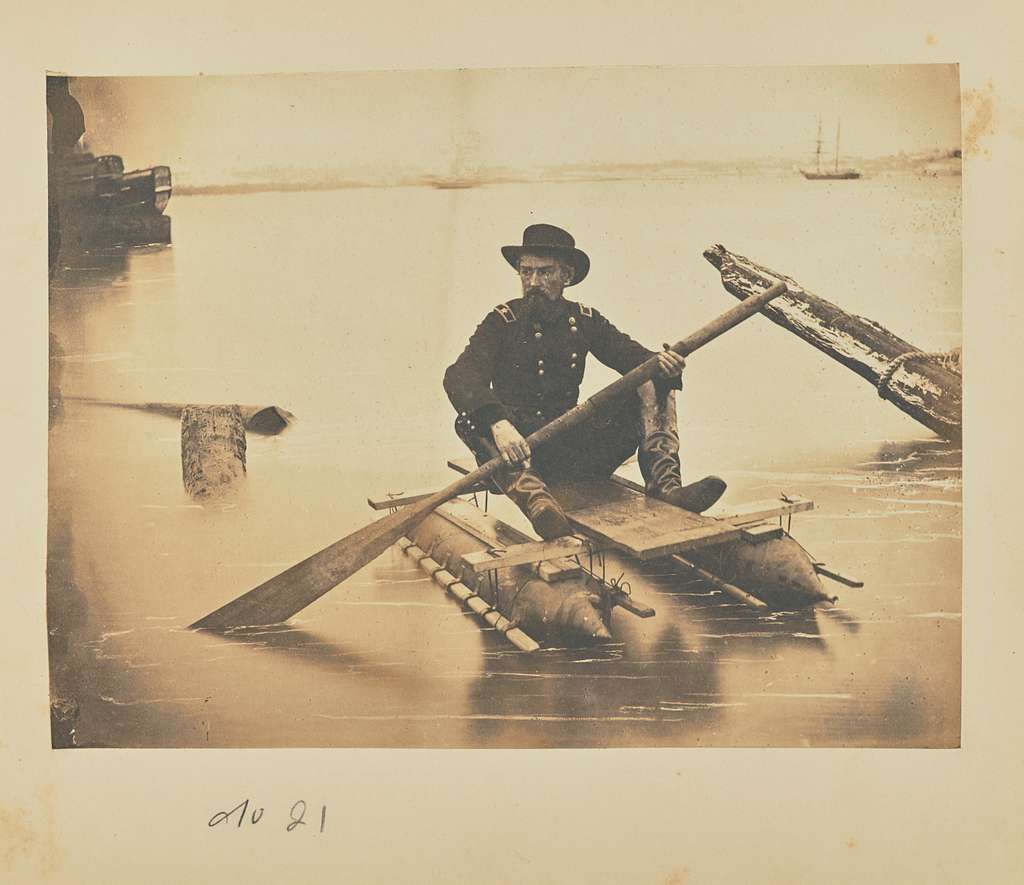
Alexander Gardner was a Scottish photographer who is best known for his work during the American Civil War. He worked as a photographer for the Union Army and is credited with capturing some of the most important images of the war. Gardner's work has had a lasting impact in the world of photography and continues to influence photographers and enthusiasts alike in today's digital age.

One of Gardner's most famous photographs is "The Home of a Rebel Sharpshooter." This photograph depicts the body of a dead Confederate soldier lying in a makeshift sniper's nest with the surrounding landscape in the background. The image is haunting and powerful, and it provides a visceral reminder of the brutality of war. It is often cited as one of the most important photographs in American history.

Gardner's work was not only important for its historical significance but also for its technical innovation. He was one of the earlier photographers to experiment with large-format cameras and the wet-plate collodion process, which allowed for greater detail and clarity in his images. His use of these techniques set the standard for photojournalism and documentary photography and paved the way for future innovations in the field.

In today's digital world, Gardner's legacy lives on. Many contemporary photographers still look to his work for inspiration and guidance, and his photographs continue to be studied and analyzed by historians and scholars. The impact of his work can be seen in the way that we approach photography today, with an emphasis on capturing the truth and the raw emotion of a moment.

Overall, Alexander Gardner's photography has had a profound and lasting impact on the world of photography. His work continues to inspire and influence photographers and enthusiasts alike, and his contributions to the field will always be remembered and appreciated.

Controversy Surrounding Alexander Gardner's Photography Staging and Fabrication

Gardner was not a stranger to manipulating his photographs. He would often move objects or bodies around to create a more dramatic image. In one famous photograph, he even went as far as to move a dead soldier's rifle to make it look like he was killed in action. Some argue that this was a harmless practice that helped to create a more compelling narrative of the war. Others, however, believe that this was an unethical practice that misrepresented the truth.

Another controversial aspect of Gardner's work was his use of reenactors. Gardner would often take photographs of staged scenes using actors to stand in for soldiers. These images were then presented as real depictions of the war, which some argue is misleading. It is important to note that Gardner was not the only photographer to use reenactors during the Civil War, but his images were some of the most widely distributed.

Despite the controversy surrounding Gardner's methods, there is no denying that his photographs had a significant impact on the way that people viewed the war. His images helped to shape the public's perception of the conflict and played a role in the eventual outcome of the war.

In conclusion, while Alexander Gardner's methods of staging and fabricating photographs may be controversial, it is important to consider the context in which they were created. The Civil War was a time of great upheaval and uncertainty, and Gardner's images helped to provide a sense of clarity and understanding to a nation in crisis. While we may not agree with his methods today, it is important to acknowledge the impact that his photographs had on shaping our understanding of this pivotal moment in American history.