For this blog post, I will be reviewing "A People's History of the United States". This book provides a unique perspective on American history and highlights the often-overlooked voices and experiences of marginalized groups.
In my review, I will be focusing on two significant events from each chapter of the book. These events are important because they illustrate the ways in which people have resisted exploitation and oppression throughout history. These events underscore the importance of recognizing the struggles of marginalized groups and the need for greater social and economic justice. I will also be provide a brief compare and contrast between the two events and their impact on society. It is important to note that my review is not conclusive and only scratches the surface of the information presented in this dense and informative book.
Thank you for joining me on this journey as we explore the diverse and complex history of the United States through the lens of "A People's History".
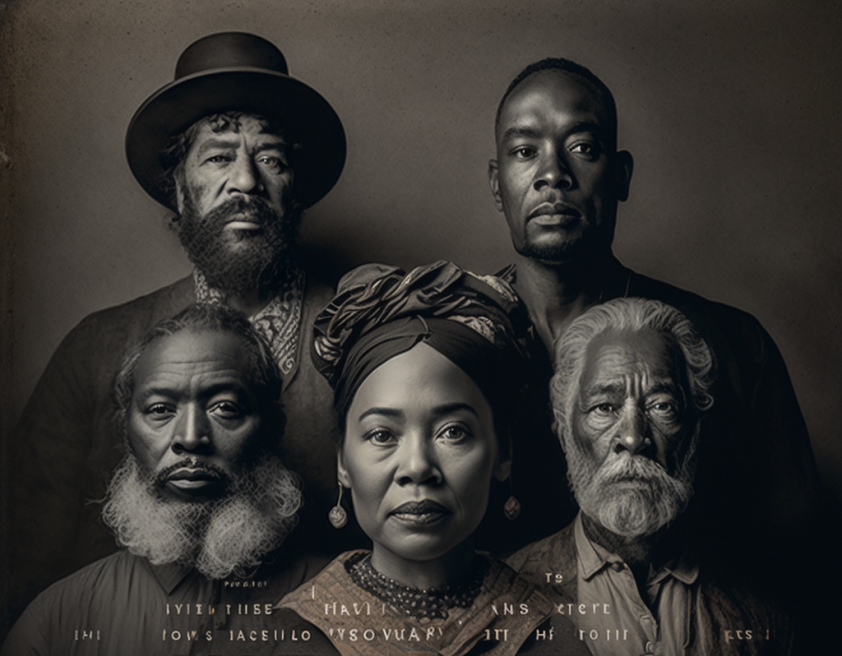
Word Cloud Infographic on the words used in this article.
Chapter 1: Columbus, the Indians, and Human Progress
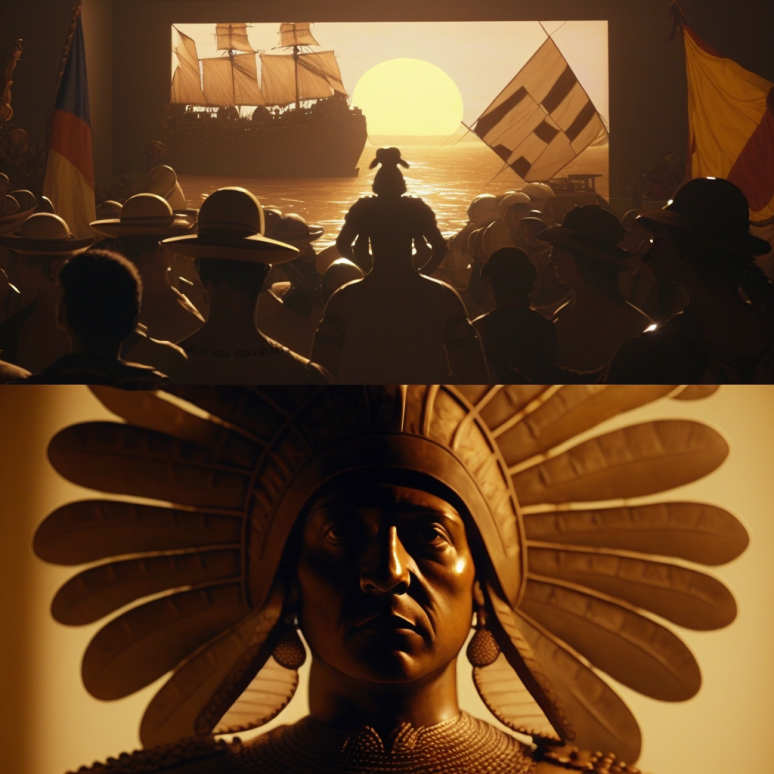
Discusses Columbus's arrival in the Americas and his treatment of the indigenous peoples.
Challenges the traditional narrative of Columbus as a heroic figure.
Native American tribes unite to protest the Dakota Access Pipeline in Standing Rock, North Dakota (2016)
The United States Congress passes the Indian Removal Act, leading to the forced relocation of Native American tribes (1830)
The importance of these events lies in their connection to the theme of the chapter, which is the legacy of colonialism and its impact on indigenous peoples. The protests against the Dakota Access Pipeline were a continuation of a long history of resistance against the exploitation of indigenous lands and resources. Similarly, the Indian Removal Act was a devastating example of the U.S. government's policy of forced relocation and genocide against Native American peoples. Both events illustrate the ongoing struggles of indigenous peoples against the legacies of colonialism and the importance of recognizing and addressing these historical injustices.
Chapter 2: Drawing the Color Line
Examines the development of race-based slavery in the United States.
Argues that racism was created and perpetuated by those in power to maintain their own privilege.
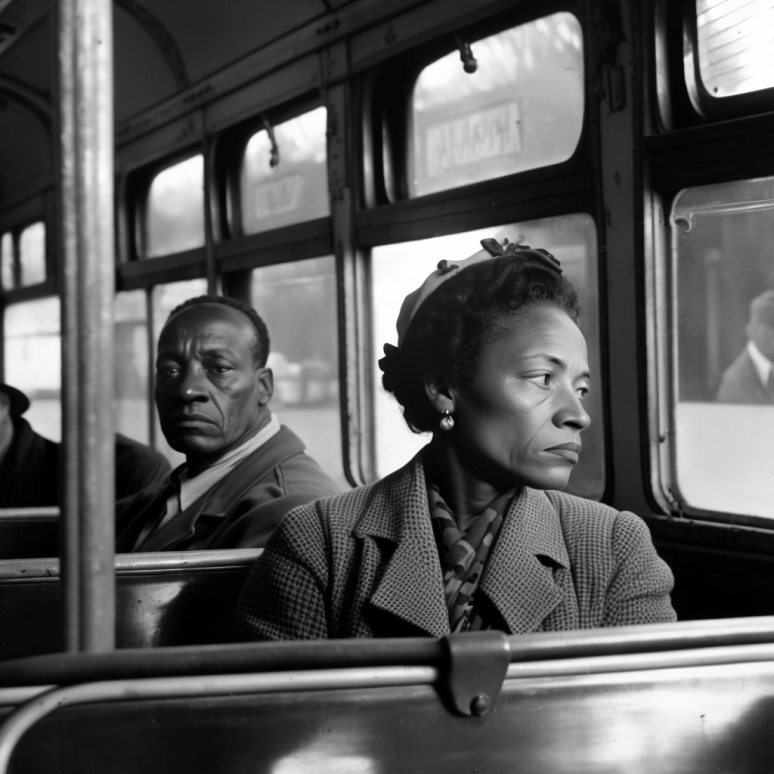
The Montgomery Bus Boycott, a protest against segregation on public buses in Montgomery, Alabama (1955-1956)
The Watts riots, a series of riots and protests against police brutality and racism in Los Angeles, California (1965)
These events are important because they illustrate the ongoing struggle against racial oppression in the United States, particularly with regard to the experiences of African Americans. The Montgomery Bus Boycott was a significant moment in the Civil Rights Movement and demonstrated the power of nonviolent resistance against segregation. The Watts riots, on the other hand, were a response to police brutality and economic inequality, highlighting the deep-seated anger and frustration among African Americans in urban areas. Both events underscore the importance of recognizing and addressing systemic racism and the ongoing struggle for racial justice in the United States.
Chapter 3: Persons of Mean and Vile Condition
Explores the lives of the working class and poor in colonial America
Highlights their struggles and resistance against exploitation
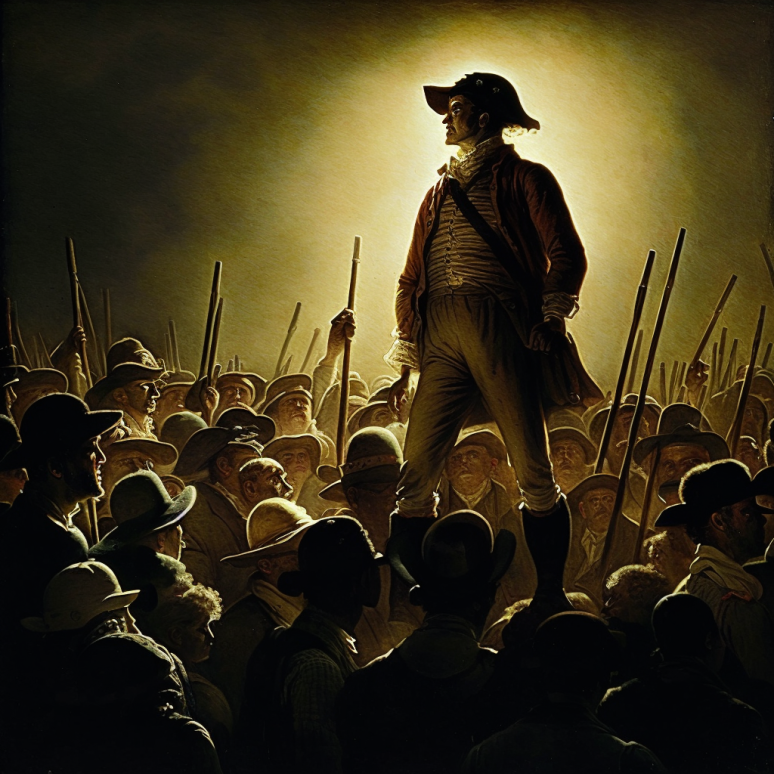
Bacon's Rebellion, an armed rebellion against the colonial government of Virginia led by Nathaniel Bacon (1676)
The Boston Tea Party, a protest against British taxation and colonial rule (1773)
Bacon's Rebellion is significant because it was one of the first rebellions against colonial authority and was fueled by the grievances of poor farmers and laborers who were being exploited by the wealthy elites. The rebellion was a response to Governor William Berkeley's refusal to protect small farmers from attacks by indigenous peoples and his support of the wealthy planter class. The rebellion signaled the potential for class conflict and resistance to colonial authority.
The Boston Tea Party, on the other hand, was a protest against British taxation and colonial rule. The event was significant because it was one of the key events leading up to the American Revolution and illustrated the power of direct action and civil disobedience in the face of unjust authority. The Boston Tea Party was also an example of how people could come together to challenge the power of the elite.
Chapter 4: Tyranny is Tyranny
Analyzes the American Revolution from the perspective of the common people
Argues that the revolution was not a democratic movement, but rather a transfer of power from one elite group to another
Shay's Rebellion, an armed uprising of farmers and laborers in Massachusetts against the state government (1786-1787)
The Whiskey Rebellion, a protest against a tax on whiskey imposed by the U.S. federal government (1791-1794)
These events are important because they highlight the ways in which regular people have challenged the power of the elite and fought for greater democracy. Shay's Rebellion was a response to economic hardship and political corruption, and indicated the potential for class conflict and resistance to colonial authority. The Whiskey Rebellion similarly showed the power of people to organize and resist unjust taxation.
The events also challenge traditional narratives of the American Revolution as a democratic movement, and argue that the revolution was not a transfer of power to the people, but rather a transfer of power from one elite group to another.
Chapter 5: A Kind of Revolution
Examines the struggles of farmers and laborers in post-revolutionary America
Highlights the emergence of grassroots movements and the fight for greater democracy
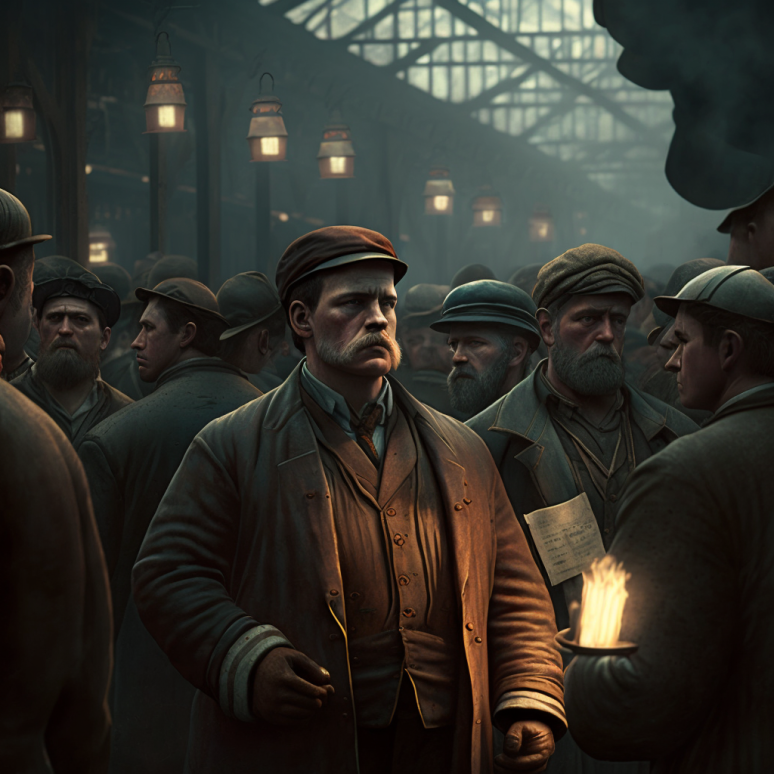
The Homestead Strike, a labor dispute at a steel mill in Pittsburgh, Pennsylvania (1892)
The Pullman Strike, a nationwide railroad strike in response to wage cuts and poor working conditions (1894)
These events are significant because they demonstrate the power of labor movements and the potential for people to organize and resist exploitation. The Homestead Strike was a response to wage cuts and poor working conditions, and revealed the potential for class conflict and resistance to corporate power. The Pullman Strike similarly disclosed the power of workers to organize and resist unjust policies.
They also highlight the potential for people to come together and challenge power structures in pursuit of greater democracy.
Chapter 6: The Intimately Oppressed
Focuses on the experiences of women in American history
Discusses their struggles for equality and against sexism
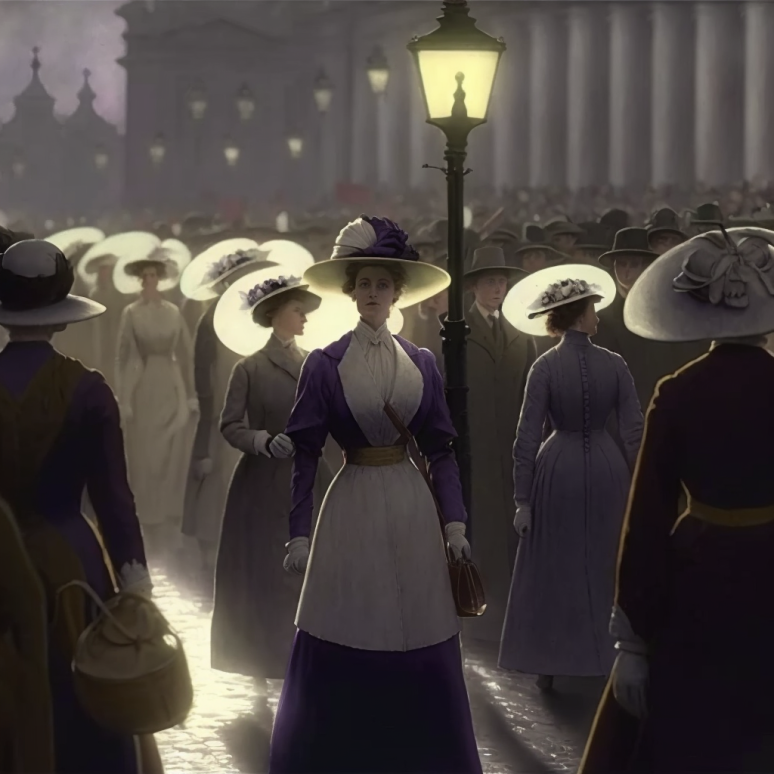
Women's Suffrage Parade, a march in Washington D.C. to demand women's right to vote (1913)
The Stonewall riots, a series of protests by members of the LGBTQ+ community against police harassment and discrimination (1969)
The Women's Suffrage Parade was a significant moment in the history of the women's rights movement voiced the power of grassroots activism in achieving social change. The Stonewall riots similarly publiced the power of people to challenge discriminatory policies and demand greater equality.
These events are important because they highlight the ongoing struggle against oppression and discrimination based on gender and sexual orientation.
Chapter 7: As Long as Grass Grows or Water Runs
Explores the history of Native American peoples and their struggles against white expansion and domination
Highlights the ongoing impact of colonization on indigenous communities
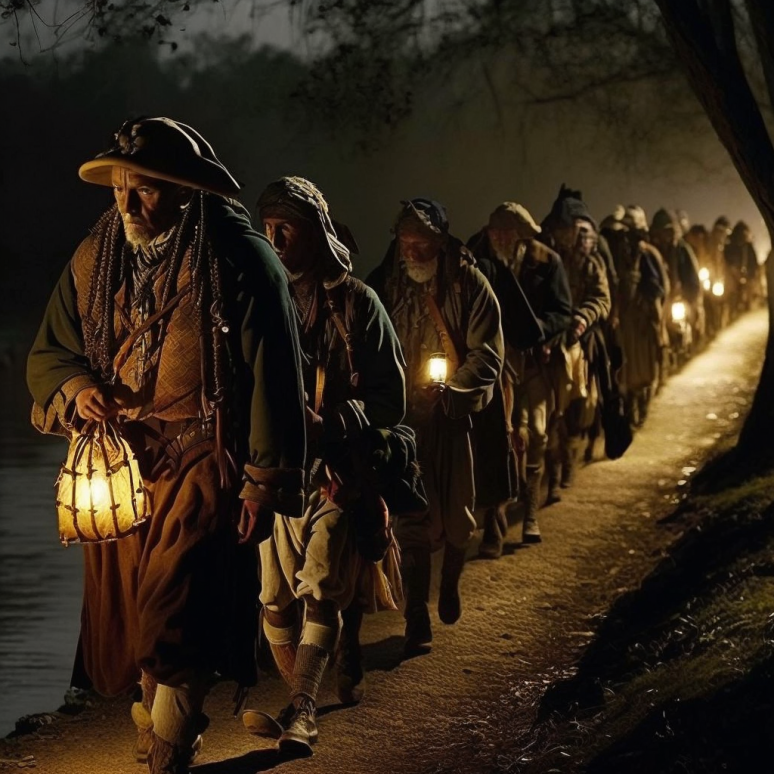
The Trail of Tears, the forced relocation of Cherokee, Muscogee, Seminole, Chickasaw, and Choctaw tribes from their ancestral lands (1830s)
The occupation of Alcatraz Island by Native American activists to protest government policies towards Native Americans (1969-1971)
These events are important because they illustrate the ongoing struggles of indigenous peoples against the legacies of colonialism and the importance of recognizing and addressing these historical injustices. The Trail of Tears was a devastating example of the U.S. government's policy of forced relocation and genocide against Native American peoples. The occupation of Alcatraz Island was a response to years of discriminatory policies towards Native Americans, including forced relocation, land theft, and cultural erasure. The occupation proves the power of grassroots activism and the importance of resistance against oppression and injustice.
These events underscore the ongoing struggle for indigenous rights and the need for greater recognition and support for indigenous communities. They also challenge traditional narratives of U.S. history that have ignored or downplayed the experiences and struggles of marginalized groups.
Chapter 8: We Take Nothing by Conquest, Thank God
Analyzes the U.S. war with Mexico and its impact on both Mexicans and Americans
Critiques the idea of "Manifest Destiny" and argues for the importance of understanding imperialism
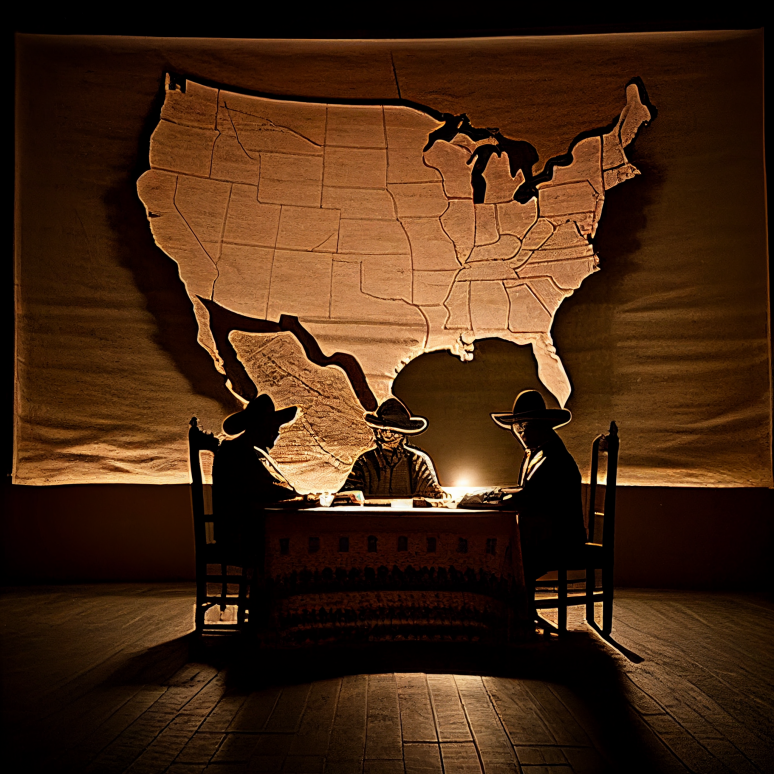
The Treaty of Guadalupe Hidalgo, which ended the Mexican-American War and ceded a large portion of Mexican territory to the United States (1848)
The Chicano Moratorium, a series of protests against the Vietnam War and police brutality towards Mexican Americans (1970)
These events are important because they highlight the ongoing legacy of colonialism and imperialism in the United States. The Treaty of Guadalupe Hidalgo was a devastating example of the U.S. government's policy of territorial expansion and the forced displacement of indigenous peoples. The treaty resulted in the annexation of a large portion of Mexican territory, including present-day California, Arizona, New Mexico, and Texas. The Chicano Moratorium was a response to ongoing discrimination and police brutality towards Mexican Americans and was part of a larger movement for civil rights and social justice.
These events underscore the ongoing struggle for particularly Latinx communities in the United States. They also challenge traditional narratives of non-white communities.
Chapter 9: Slavery Without Submission, Emancipation Without Freedom
Examines the history of slavery in the United States and the struggle of enslaved people for freedom
Argues that even after emancipation, African Americans continued to face oppression and discrimination
Nat Turner's Rebellion, an armed rebellion of enslaved people in Virginia (1831)
The Montgomery Bus Boycott, a protest against segregation on public buses in Montgomery, Alabama (1955-1956)
Nat Turner's Rebellion was a significant moment in the history of the struggle against slavery, as it indicates the potential for enslaved people to resist their oppressors and fight for their freedom. The rebellion was a response to the brutal conditions of slavery and the violence perpetrated against enslaved people. The Montgomery Bus Boycott was similarly a response to the ongoing discrimination and violence against African Americans, and validates the power of nonviolent resistance in achieving social change. The boycott was a significant moment in the Civil Rights Movement and showed how people could come together to challenge unjust policies and demand greater equality.
These events challenge traditional narratives of U.S. history that have ignored the struggles of disenfranchised groups, and the need for greater recognition and support for those who have been historically marginalized.
Chapter 10: The Other Civil War
Discusses the class struggles and resistance of poor whites during the Civil War
Critiques the idea that the war was fought solely to end slavery
The New York City draft riots, a violent protest against conscription during the Civil War (1863)
The Battle of Blair Mountain, an armed labor conflict in West Virginia between coal miners and the state government (1921)
These events are important because they highlight the ways in which people have challenged power structures and fought for greater democracy and equality. The New York City draft riots were a response to the conscription of poor and working-class men to fight in the Civil War and authenticated the potential for class conflict and resistance to government authority. The Battle of Blair Mountain similarly connecting the power of workers to organize and resist exploitation, as coal miners fought against the state government and private corporations for better wages and working conditions.
Chapter 11: Robber Barons and Rebels
Examines the rise of industrial capitalism and the exploitation of workers
Highlights the resistance of workers and the importance of labor movements
The Haymarket affair, a labor protest in Chicago that turned violent and resulted in the execution of several labor organizers (1886)
The Flint sit-down strike, a labor strike at a General Motors plant in Flint, Michigan (1936-1937)
These events are important because they highlight the power of grassroots movements. The Haymarket affair was a response to the brutal conditions faced by workers in the late 19th century and demonstrated the potential for solidarity and collective action among workers. The Flint sit-down strike was similarly a response to poor working conditions and saw the potential for workers to challenge corporate power and demand greater economic justice.
Chapter 12: The Empire and the People
Analyzes the history of U.S. imperialism and the impact of U.S. foreign policy on other nations
Critiques the idea of American exceptionalism and argues for a more just and peaceful global order
The United States' annexation of Hawaii (1898)
The My Lai Massacre, the killing of hundreds of Vietnamese civilians by U.S. soldiers during the Vietnam War (1968)
These events are important because they illustrate the ongoing legacy of U.S. imperialism and the impact of U.S. foreign policy on other nations. The annexation of Hawaii was a devastating example of U.S. territorial expansion and the forced displacement of indigenous peoples. The annexation resulted in the overthrow of the Hawaiian monarchy and the annexation of Hawaii as a U.S. territory. The My Lai Massacre similarly confirmed the devastating impact of U.S. military intervention on civilian populations, and underscored the need for greater accountability and oversight in U.S. foreign policy. Highlighting the ongoing struggle for social and economic justice, both domestically and internationally.
Conclusion
Summarizes the main arguments and themes of the book.
Offers reflections on the significance of the book and its impact on historical scholarship.
Impact of the Book
The book has been influential in challenging traditional narratives of U.S. history and highlighting the voices and struggles of marginalized groups
It has been widely read and has sold over 2 million copies
It continues to be an important title today, particularly in the context of ongoing struggles for social justice and against systemic oppression
The book has inspired many readers to engage in activism and to question dominant power structures
Major Points
The book argues that U.S. history has been shaped by class struggle and the resistance of marginalized groups against exploitation and oppression
It critiques the myth of American exceptionalism and challenges traditional narratives of U.S. history that emphasize the actions of powerful elites
It highlights the importance of grassroots movements and the struggles of ordinary people in shaping history
It is a call to action for readers to engage in critical thinking and to work towards a more just and equitable society.
If the book came out today, it would likely be met with both praise and criticism. While many readers would appreciate its critical approach to U.S. history, others would likely challenge its perspective and argue that it is too focused on the negative aspects of U.S. history. However, given the ongoing struggles for social justice and the need for critical analysis of power structures, the book would likely remain an important title in the field of history and political science.
Cup of Ambition 2.0 is not just a playlist, it's a celebration of coffee culture.
Are you a coffee lover? Do you enjoy listening to music while sipping on your cup of joe? If so, you're in the right place! Cup of Ambition is a coffee-inspired playlist that will surely kick start your day. The playlist started as a holiday CD that came with a small pack of coffee and custom art. However, as the CDs broke, the online version of Cup of Ambition 2.0 was born and now extends to more than 30+ songs.
Cup of Ambition is not just a playlist, it's a celebration of coffee culture. It's a fun and unique way to enjoy your favorite beverage while discovering new music. So, grab a cup of coffee, press play, and let the music take you on a journey.
A Playlist with a Twist
What makes Cup of Ambition unique is that all the songs have a coffee reference. From indie pop to jazz standards, euro pop, country rock, and even some metal, you'll find a wide variety of genres that celebrate this beloved beverage. Each song on the playlist has a different vibe, so you can choose what kind of coffee-inspired mood you're in.
Not only is Cup of Ambition a great way to discover new music, but it's also a fun way to learn more about coffee culture. You'll hear references to espresso shots, latte art, coffee beans, and much more. Whether you're a barista, coffee enthusiast, or just someone who enjoys a good cup of coffee, this playlist is for you.
Digital Ai Art by Gary Crossey
Sip, Listen, and Enjoy
So, what are you waiting for? Pour yourself a cup of ambition and start listening to the ultimate coffee-inspired playlist. From the upbeat and energetic "Coffee" by Supersister (a personal favourite) to the smooth and sultry "Black Coffee" by Sarah Vaughan, there's something for every coffee lover on this playlist.
And the best part? You can access Cup of Ambition 2.0 online (playlist above), so you can listen to it anytime, anywhere. Whether you're commuting to work, working from home, or simply relaxing at home, this playlist will surely brighten up your day.
Coffee Time - Natalie Cole: "Coffee Time" is a song that was written by Arthur Freed and Harry Warren. It was originally featured in the 1945 film "Musical Movieland" and has been covered by various artists over the years. Natalie Cole's version was released in 1991 as a single and was later included on her album "Unforgettable... with Love." The song features Cole's smooth vocals accompanied by a jazz-inspired arrangement.
Cup Of Coffee - Garbage: "Cup of Coffee" is a song by the American-Scottish alternative rock band Garbage. It was released in 2002 as a single from their album "Beautiful Garbage." The song was written by the band's lead vocalist Shirley Manson and features her emotive vocals accompanied by a sparse piano arrangement. The lyrics describe the aftermath of a breakup and the feelings of loneliness and regret that follow.
Starfish and Coffee (featuring Maya Rudolph) - Renee & Friends: "Starfish and Coffee" is a song by Prince, originally released on his 1987 album "Sign o' the Times." The song was written by Prince and features his signature blend of funk, pop, and rock. Renee & Friends is a children's music project that reimagines classic songs with new arrangements and featuring guest vocalists. For this version of "Starfish and Coffee," Renee & Friends collaborated with comedian and actress Maya Rudolph, who provides the lead vocals.
Coffee Homeground - Kate Bush: "Coffee Homeground" is a song by the British singer-songwriter Kate Bush. It was released in 1978 as a B-side to her single "The Man with the Child in His Eyes." The song features Bush's ethereal vocals accompanied by a dreamy arrangement of piano, bass, and drums. The lyrics describe a person who believes they are been poisoned.
Wake Up And Smell The Coffee - The Cranberries: "Wake Up and Smell the Coffee" is a song by the Irish rock band The Cranberries. It was released in 2001 as the title track of their fifth studio album. The song was written by the band's lead vocalist Dolores O'Riordan and features her distinctive vocals accompanied by a driving guitar riff. The lyrics describe the sense of urgency and determination needed to achieve one's goals.
Coffee (Radio Edit) - Supersister: "Coffee" is a song by the Dutch pop band Supersister. It was released in 1972 as a single and later included on their album "Pudding en Gisteren." The song features a jazzy arrangement of piano, saxophone, and drums, with lyrics that playfully describe the pleasures of drinking coffee.
Coffee - Ledisi: "Coffee" is a song by the American singer Ledisi. It was released in 2017 as a single and later included on her album "Let Love Rule." The song features Ledisi's smooth vocals accompanied by a jazzy arrangement of piano, saxophone, and drums.
I Don't Sleep, I Drink Coffee Instead - Brenda Kahn: "I Don't Sleep, I Drink Coffee Instead" is a song by the American singer-songwriter Brenda Kahn. It was released in 1994 as a single and later included on her album "Epiphany in Brooklyn." The song features Kahn's raw, emotive vocals accompanied by a sparse arrangement of guitar and drums. The lyrics describe the restless, obsessive nature of creativity and the need for caffeine to fuel it.
Black Coffee - All Saints, Mark Stent: "Black Coffee" is a song by the British girl group All Saints. It was released in 2000 as a single and later included on their album "Saints & Sinners." The song features the group's smooth harmonies accompanied by a dance-inspired arrangement of beats and synths. The lyrics describe the pain of heartbreak and the need for a strong cup of coffee to get through it.
You're The Cream In My Coffee - Seth MacFarlane: "You're the Cream in My Coffee" is a song from the 1928 musical "Hold Everything!" It has been covered by various artists over the years, including Seth MacFarlane, who included his version on his album "Music Is Better Than Words." MacFarlane's rendition features his smooth vocals accompanied by a lush arrangement of strings and horns.
The Coffee Song - Frank Sinatra: "The Coffee Song" is a song written by Bob Hilliard and Dick Miles. It has been covered by various artists over the years, including Frank Sinatra, who included his version on his album "Ring-a-Ding-Ding!" The song features Sinatra's signature crooning vocals accompanied by a swinging arrangement of horns and percussion.
9 to 5 - Dolly Parton: "9 to 5" is a song written and performed by the American country singer Dolly Parton. It was released in 1980 as the title track of the film "9 to 5." The song features Parton's sassy vocals accompanied by a catchy arrangement of guitar, bass, and drums. The lyrics describe the monotony and frustration of working a 9-to-5 job.
40 Cups Of Coffee - Ella Mae Morse: "40 Cups of Coffee" is a song by the American singer Ella Mae Morse. It was released in 1953 as a single and later included on her album "Barrelhouse, Boogie, and the Blues." The song features Morse's soulful vocals accompanied by a swinging arrangement of piano, horns, and drums. The lyrics describe the jittery, wired feeling of drinking too much coffee.
Coffee Cups - Dave Morrison: "Coffee Cups" is a song by the Canadian singer-songwriter Dave Morrison. It was released in 2004 as a single and later included on his album "The Other Side." The song features Morrison's introspective lyrics and gentle vocals accompanied by a sparse arrangement of guitar and percussion.
Black Coffee - Dave Carter: "Black Coffee" is a song by the American folk singer Dave Carter. It was released in 1995 as a single and later included on his album "When I Go." The song features Carter's raw, emotive vocals accompanied by a rustic arrangement of guitar, mandolin, and fiddle. The lyrics describe the heartache of a failed relationship and the comfort of a strong cup of coffee.
Can't Drink Enough Coffee - Dave Bader: "Can't Drink Enough Coffee" is a song by the American singer-songwriter Dave Bader. It was released in 2005 as a single and later included on his album "Coffeehouse." The song features Bader's witty lyrics and breezy vocals accompanied by a jazzy arrangement of guitar, bass, and drums.
Coffee Coffee Coffee - Dave Dudley: "Coffee Coffee Coffee" is a song by the American country singer Dave Dudley. It was released in 1966 as a single and later included on his album "Thanks for All the Miles." The song features Dudley's deep, resonant vocals accompanied by a rollicking arrangement of guitar, drums, and horns. The lyrics describe the singer's dependence on coffee to keep him going on the road.
Coffee Jim - Dave Dudley: "Coffee Jim" is a song by the American country singer Dave Dudley. It was released in 1965 as a single and later included on his album "Travelin' with Dave Dudley." The song features Dudley's twangy vocals accompanied by a honky-tonk arrangement of guitar, bass, and drums. The lyrics describe the story of a truck driver named Coffee Jim who drinks coffee to stay awake on the road.
I'll Have Another Cup of Coffee (Then I'll Go) - Dave Dudley: "I'll Have Another Cup of Coffee (Then I'll Go)" is a song by the American country singer Dave Dudley. It was released in 1966 as a single and later included on his album "Thanks for All the Miles." The song features Dudley's smooth vocals accompanied by a lush arrangement of strings and horns. The lyrics describe the singer's reluctance to leave his lover and his need for one more cup of coffee before he goes.
Old Mill Coffee - Gary Daverne: "Old Mill Coffee" iThe song "Old Mill Coffee" by Gary Daverne is a delightful composition that pays homage to the joy and warmth that a cup of coffee can bring.
Coffee & TV - Blur: "Coffee & TV" is a song by the British rock band Blur. It was released in 1999 as a single and later included on their album "13." The song features lead vocalist Graham Coxon's plaintive vocals accompanied by a bouncy arrangement of guitar, bass, and drums. The lyrics describe the singer's search for connection and meaning in a world that seems increasingly disconnected.
Black Coffee in Bed - Ernie Halter: "Black Coffee in Bed" is a song by the British new wave band Squeeze. It was released in 1982 as a single and later included on their album "Sweets from a Stranger." Ernie Halter's version features his smooth vocals accompanied by a stripped-down acoustic arrangement of guitar and percussion.
Black Coffee - Sarah Vaughan: "Black Coffee" is a song written by Sonny Burke and Paul Francis Webster. It has been covered by various artists over the years, including Sarah Vaughan, who included her version on her album "Sarah Vaughan with Clifford Brown." The song features Vaughan's powerful vocals accompanied by a lush arrangement of strings and horns.
One More Cup of Coffee - Bob Dylan: "One More Cup of Coffee" is a song by the American singer-songwriter Bob Dylan. It was released in 1976 on his album "Desire." The song features Dylan's distinctive vocals accompanied by a haunting arrangement of guitar and violin. The lyrics describe a doomed love affair and the singer's need for one more cup of coffee before he goes.
Coffee Blues - Mississippi John Hurt: "Coffee Blues" is a song by the American blues singer Mississippi John Hurt. It was originally recorded in 1928 and later included on his album "The Best of Mississippi John Hurt." The song features Hurt's gentle vocals accompanied by a fingerpicked guitar. The lyrics describe the singer's love for coffee and the way it helps him get through the day.
Cigarettes and Coffee - Otis Redding: "Cigarettes and Coffee" is a song by the American soul singer Otis Redding. It was released in 1966 on his album "The Soul Album." The song features Redding's soulful vocals accompanied by a laid-back arrangement of guitar, bass, and drums. The lyrics describe the simple pleasures of sharing a cup of coffee and a cigarette with a lover.
One More Cup Of Coffee - The White Stripes: "One More Cup of Coffee" is a song by the American singer-songwriter Bob Dylan. It was covered by the American rock duo The White Stripes and released in 2004 on their album "Live Under Blackpool Lights." The song features the duo's stripped-down, bluesy style and lead vocalist Jack White's gritty vocals.
Coffee, God, And Cigarettes - Mischief Brew: "Coffee, God, and Cigarettes" is a song by the American folk punk band Mischief Brew. It was released in 2005 on their album "Smash the Windows." The song features the band's raw, energetic style and lead vocalist Erik Petersen's gritty vocals. The lyrics describe the singer's vices and the way they help him cope with the struggles of life.
Coffee And Wine - Chadwick Stokes, State Radio, Sierra Leone's Refugee All Stars: "Coffee and Wine" is a song by the American singer-songwriter Chadwick Stokes of the band State Radio. It features Sierra Leone's Refugee All Stars and was released in 2012 on Stokes' album "Simmerkane II." The song features a relaxed, folksy arrangement of guitar, percussion, and horns, with lyrics that describe the simple pleasures of life like drinking coffee and sharing wine with friends.
Don't Forget The Coffee Billy Joe - Tom T. Hall: "Don't Forget the Coffee Billy Joe" is a song by the American country singer Tom T. Hall. It was released in 1976 on his album "The Magnificent Music Machine." The song features Hall's smooth vocals accompanied by a twangy arrangement of guitar, bass, and drums. The lyrics describe the importance of coffee in the singer's daily routine.
A Cup of Coffee - Julian Moon: "A Cup of Coffee" is a song by the American singer-songwriter Julian Moon. It was released in 2014 as a single and later included on her album "Good Girl." The song features Moon's sweet, delicate vocals accompanied by a simple arrangement of guitar and percussion. The lyrics describe the singer's longing for a simple life and the comfort of a cup of coffee.
Coffee Shop (feat. Gorilla Zoe) - Young Joc, Gorilla Zoe: "Coffee Shop" is a song by the American rapper Young Joc featuring Gorilla Zoe. It was released in 2007 as a single and later included on Young Joc's album "Hustlenomics." The song features a catchy, upbeat arrangement of beats and synths, with lyrics that describe the singers' love for coffee and the way it helps them stay awake and focused.
Patricia - Acoustic - Florence + The Machine: "Patricia - Acoustic" is a song by the British band Florence + The Machine. It was released in 2018 and is an acoustic version of the original song "Patricia," which was released in 2018 as well. The song's theme is about the power of female friendship and the support that women can offer each other. The musical style is a mix of indie rock and folk, with Florence Welch's powerful vocals at the forefront. Welch co-wrote the song with Emile Haynie and Thomas Bartlett. The acoustic version features Welch's vocals accompanied by a guitar, giving the song a more stripped-down and intimate feel.
Sleeping Alone - Live from The Majestic Theatre - k.d. lang: "Sleeping Alone" is a song by the Canadian singer-songwriter k.d. lang. This version was recorded live at The Majestic Theatre in San Antonio, Texas and released in 2009 on her album "Recollection." The song features lang's emotive vocals accompanied by a lush arrangement of strings and piano. The lyrics describe the pain of loneliness and the desire for human connection.
COFFEE - Kelly Rowland: "COFFEE" is a song by the American singer Kelly Rowland. It was released in 2020 as a single and features a sultry, R&B-inspired arrangement of beats and synths.
Death bed (coffee for your head) - Powfu, beabadoobee: "death bed (coffee for your head)" is a song by the Canadian rapper Powfu featuring beabadoobee. It was released in 2020 as a single and features a laid-back, lo-fi arrangement of beats and guitar. The lyrics describe the singer's desire to spend his final moments with a loved one, sharing a cup of coffee.
My Country Sugar Mama - Howlin' Wolf: "My Country Sugar Mama" is a song by the American blues singer Howlin' Wolf. It was released in 1965 on his album "The Real Folk Blues." The song features Wolf's deep, growling vocals accompanied by a gritty arrangement of guitar, bass, and drums. The lyrics describe the singer's love for a wealthy woman who provides him with the material comforts of life, including sugar for his coffee.
Robert Rauschenberg is a renowned American artist of the 20th century who is known for his pioneering works in contemporary art, pop art, mixed media art, and neo-dadaism. Rauschenberg is celebrated for his unique and innovative approach to creating art that combines everyday objects with traditional painting techniques. His work has influenced generations of artists around the world and continues to be an inspiration for many today.
Rauschenberg's innovative works combined painting with photography, sculpture, and other media to create powerful pieces that challenged traditional artistic conventions. Throughout his career, Rauschenberg continued to push boundaries with his signature style of combining elements from different genres into one piece.
Rauschenberg began his artistic adventure in Paris when he joined the Academie Julian to study painting and sculpture. After finishing his studies, he shifted to New York City to explore the art world more. He furthered his studies at Black Mountain College, where he was exposed to the works of modernist artists such as Willem de Kooning, Jasper Johns, and Robert Motherwell.
While at Black Mountain College, Rauschenberg explored abstract expressionism, Neo Dadaism, and Pop Art. While he developed a unique style of combining different media such as paint, photography, fabric, and found objects into his work. Creating powerful pieces of art that challenged traditional artistic conventions. This style would become his signature throughout his career and influence generations of artists to come.
This documentary takes us through his creative journey, beginning with his education, which helped shape his artistic vision.
Erased de Kooning Drawing
"Erased de Kooning Drawing", a 1953 artwork in which he erased a drawing by Willem de Kooning. This artwork was seen as an act of rebellion against traditional painting and has been credited with helping to usher in the Pop Art movement. It also demonstrated Rauschenberg's interest in combining found objects and modern technology to create something new and unique. The Erased de Kooning Drawing remains one of Rauschenberg's iconic works, and it continues to be celebrated as an important example of contemporary art today.
Erased de Kooning Drawing (1953)
Canyon
Canyon
"Canyon" is a combination of painting and sculpture that utilizes everyday objects in a beautiful, creative way. Not only does it represent the power of art to transform the mundane into something special, but it also serves as a reminder of Rauschenberg's genius and his legacy in contemporary art.
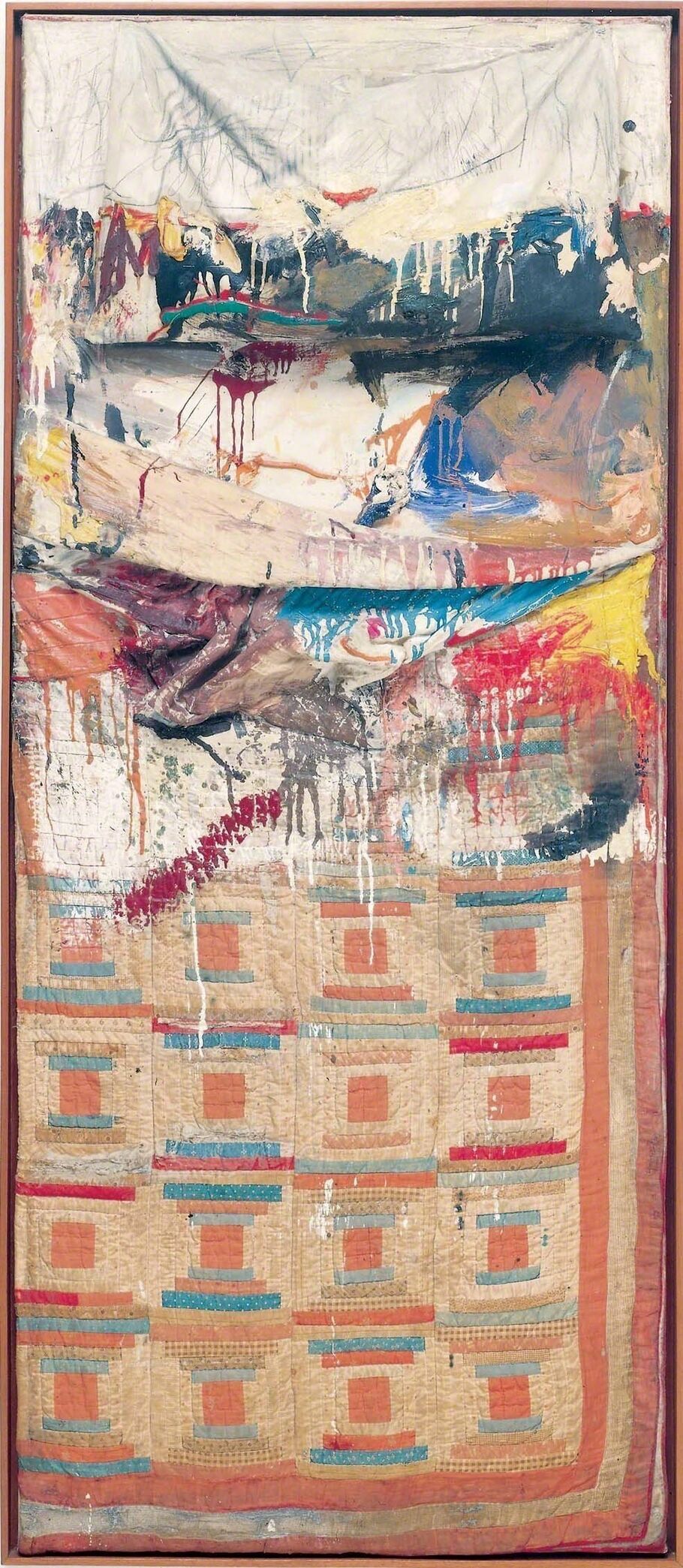
Bed
Bed (1955)
"Bed", is a mixed media piece combining painting, photography, and fabric that explores the boundaries between abstraction and representation. The work has become an iconic example of Rauschenberg's ability to use everyday objects to create something entirely new.
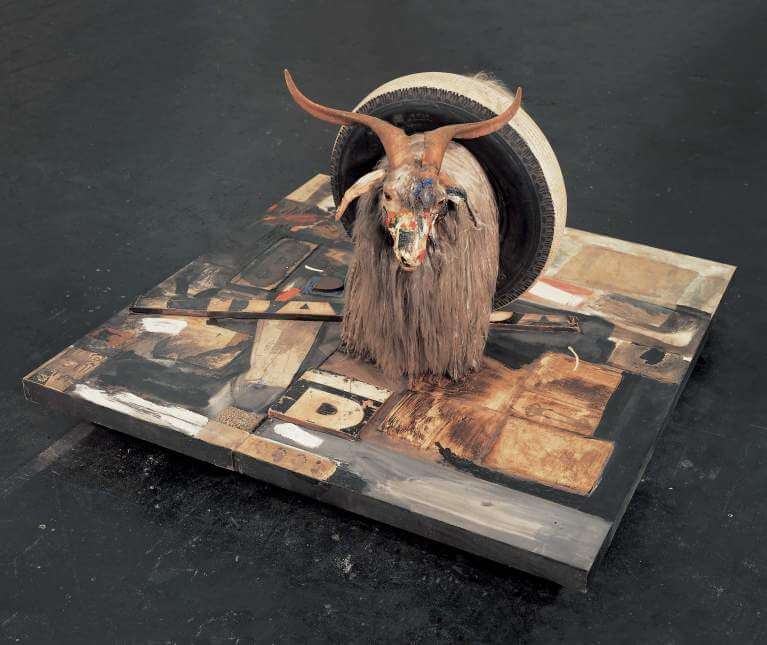
Monogram
Monogram
Robert Rauschenberg work is characterized by his use of everyday items and materials to create pieces that challenge traditional art-making conventions. One of his most famous pieces, "Monogram", is an exemplary example of Rauschenberg's subversive approach to art-making. The work combines a taxidermied goat with a tire, expressing an ironic commentary on consumer culture and established artistic conventions. The artist combines the two elements in unexpected ways, creating an unexpected yet beautiful piece of art.
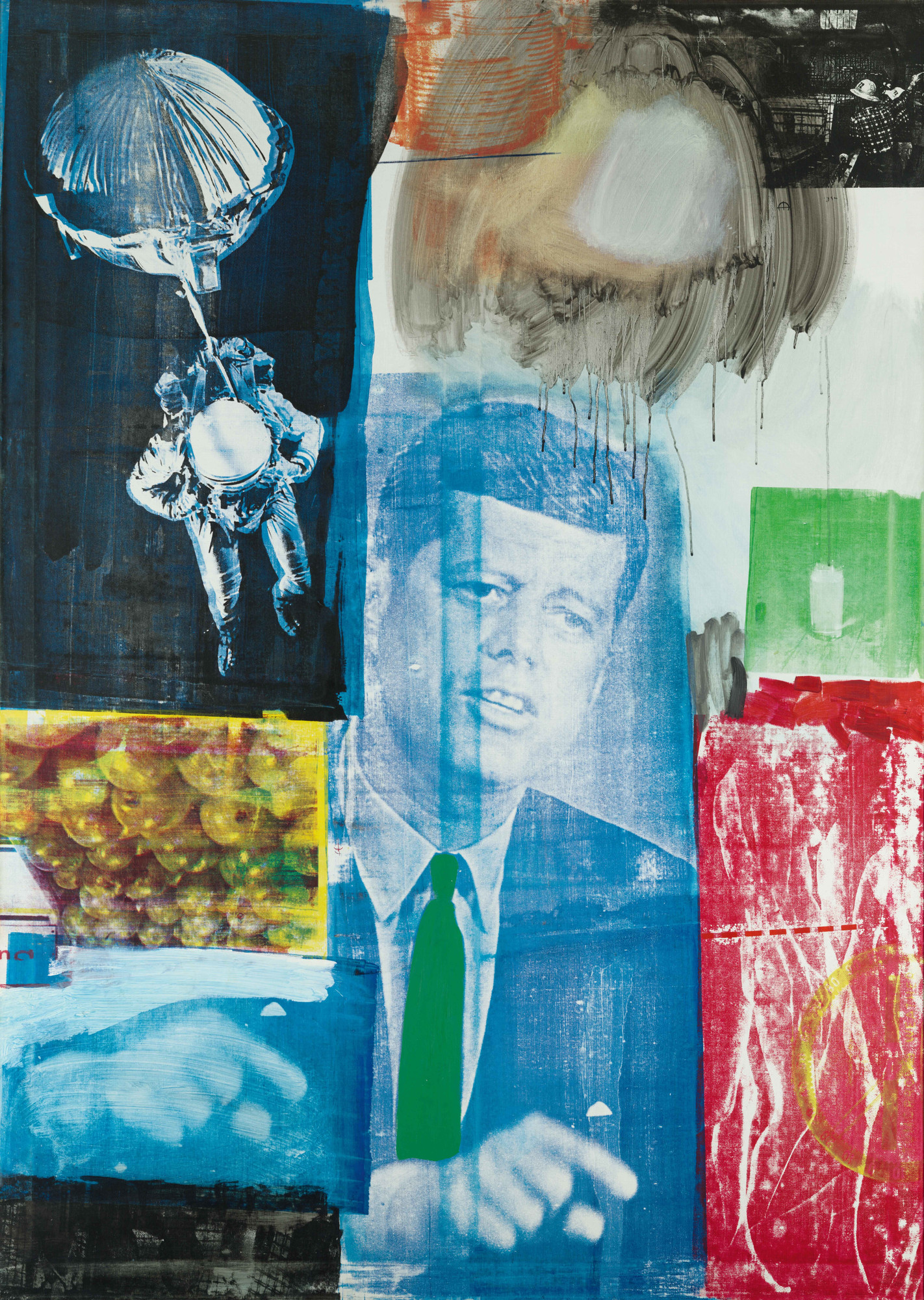
Retroactive I
Retroactive I
"Retroactive I" consists of a variety of found objects and images, including newspaper clippings, photographs, and other mixed media. Through the use of these objects, Rauschenberg explores the idea of memory and identity. As a result, Retroactive I has become an iconic piece in the art world that continues to inspire viewers today.
If you're a fan of psychedelic rock, then you've probably heard of Spaceman 3 and Spiritualized.
Both of these bands have been influential in shaping the genre and have a dedicated fan base. In this blog, I take a closer look at these two bands and provide you with a playlist to help you explore their music.
Spaceman 3's impact on the psychedelic rock genre is immeasurable. Their experimental sound and willingness to push boundaries paved the way for many other bands in the genre. However, their music often dealt with heavy subject matter, including mental health and drug use. While these topics were not uncommon in psychedelic rock, Spaceman 3 approached them in a unique way that often left listeners feeling uneasy.
It's difficult to say how Spaceman 3 would be received in the music industry today. While their influence can still be felt in many modern psychedelic bands, their confrontational and sometimes controversial approach to subject matter may not be as accepted in today's music industry.
Yes, Spaceman 3 often dealt with themes of drug use and spirituality in their music. The song "Walking With Jesus" is a prime example of this. The song is about a person who is struggling with drug addiction and turns to religion for salvation. The lyrics mention walking with Jesus while high on drugs, suggesting a connection between the two. However, the song also speaks to the struggle of addiction and the desire for redemption. The use of religious imagery in the song is not uncommon in psychedelic rock.
Spaceman 3
Spaceman 3 was formed in 1982 in Rugby, England by Pete Kember and Jason Pierce. They were known for their experimental sound that blended elements of psychedelic rock, drone, and space rock. Their early albums, such as "The Perfect Prescription" and "Playing With Fire," are considered classics of the genre.
Here are some essential Spaceman 3 tracks to add to your playlist
"Revolution"
"Take Me to the Other Side"
"Big City (Everybody I Know Can Be Found Here)"
"Losing Touch With My Mind"
"Transparent Radiation"
Spiritualized
After Spaceman 3 disbanded in 1991, Jason Pierce formed Spiritualized. The band continued the psychedelic sound of Spaceman 3 but added elements of gospel and soul to their music. Their breakthrough album, "Ladies and Gentlemen We Are Floating in Space," was released in 1997 and has since been hailed as a masterpiece.
Here are some essential Spiritualized tracks to add to your playlist:
"Ladies and Gentlemen We Are Floating in Space"
"Come Together"
"Electricity"
"I Think I'm in Love"
"Soul on Fire"
Your Playlist
Now that you have a better understanding of Spaceman 3 and Spiritualized, it's time to create your own playlist. Start with the essential tracks I have listed and then explore more of their discography. If you're looking for a more immersive experience, listen to each band's albums in their entirety.
Foundation by Isaac Asimov is a rich and complex science fiction novel that explores the concept of psychohistory, nature of power, knowledge, civilization, and the fall of empires. Set in a future universe where the Galactic Empire is in decline and a new dark age is predicted to last for 30,000 years, the protagonist, Hari Seldon, has developed a new field of study called psychohistory, which can predict the behavior of large groups of people using mathematical equations.
Foundation can be seen as a metaphor for the decline of empires throughout history. The rise and fall of the Galactic Empire can be seen as a reflection of the rise and fall of real-world empires such as the Roman Empire or the British Empire. The book raises important concerns about the nature of power and the role of individuals and groups in shaping the course of history.
Asimov uses a variety of techniques, including character development, political intrigue, and scientific concepts, to explore these themes in depth. The book asks us to question the role of individuals and groups in shaping the course of history, the importance of knowledge and understanding in preserving civilization, and the dangers of becoming too reliant on one person or group for power.
The symbolism in Foundation is complex and multi-layered.
The concept of psychohistory can be seen as a metaphor for the power of knowledge and the importance of understanding the past in order to shape the future. The Encyclopedia Galactica is a symbol of the importance of preserving knowledge and the danger of losing it during times of upheaval. The Foundation itself can be seen as a symbol of the importance of planning and foresight in creating a better future.
Foundation's themes and symbolism are still relevant to today's readers. The rise and fall of empires is a recurring theme throughout history, and the danger of becoming too reliant on one person or group for power is still a relevant concern. The importance of knowledge and foresight in shaping the future is also a timeless concept that is still relevant. In addition, the book's exploration of the role of individuals and groups in shaping the course of history is a thought-provoking concept.
The events of Foundation take place over a period of several hundred years. The timeline is divided into five parts, each of which covers a different period of time. The Psychohistorians covers the earliest period, while The Traders covers the latest.
Digital Ai Art by Gary Crossey
Foundation Parts & Timeline:
The Psychohistorians
The Encyclopedists
The Mayors
The Traders
The Merchant Princes
In each section, Asimov explores the themes of power, knowledge, and civilization in different ways.
The Psychohistorians
Psychohistorians Digital Ai Art created by Gary Crossey
In The Psychohistorians, we are introduced to Seldon and his team of mathematicians, who are working to save civilization from its inevitable decline. Asimov introduces the concept of psychohistory and explores the idea that human behavior can be predicted and controlled, which raises ethical questions about the role of free will in society.
Seldon believes that he can use psychohistory to predict the fall of the Galactic Empire and the rise of a new dark age that will last for 30,000 years. He creates a plan called the Foundation, which is designed to shorten the dark age to only 1,000 years.
Psychohistorians also introduces us to several other characters, including Gaal Dornick, a young mathematician who has come to Trantor to work with Seldon, and the Emperor, who is skeptical of Seldon's predictions. We also learn about the Hari Seldon hologram, which is a virtual representation of Seldon that appears throughout the book to offer guidance to the characters.
Asimov raises important questions about the nature of power and the role of individuals and groups in shaping the course of history. The characters in the novel each play a significant role in the story and the development of the Foundation. For example, Salvor Hardin is instrumental in defeating Anacreon without violence, which helps to establish the Foundation's independence. Hober Mallow helps to make the Foundation more self-sufficient and prosperous, which is essential for its survival. Jorane Sutt's skepticism of Mallow's trading ultimately leads to his downfall, which solidifies Mallow's position as mayor.
Asimov's exploration of the nature of power and the role of individuals and groups in shaping the course of history is a thought-provoking concept that is still relevant. The rise and fall of empires is a recurring theme throughout history. The importance of knowledge and foresight in shaping the future is also a timeless concept. The book's exploration of the relationship between power and knowledge is especially gripping, as it raises important questions about the role of individuals and groups in shaping the course of history.
As the story progresses, the characters continue to shape the Foundation and its future. Gaal Dornick, the young mathematician, provides the reader with a sense of wonder and excitement as he explores the galaxy and discovers new worlds. Hari Seldon's hologram acts as a guiding force throughout the novel, offering advice and direction to the characters as they navigate the challenges of building a new society. Salvor Hardin, Hober Mallow, and Jorane Sutt each represent different approaches to leadership and the exercise of power. Asimov skillfully weaves these characters together to create a complex and multifaceted exploration of power, knowledge, and civilization.
The Encyclopedists
Encyclopedists Digital Ai Art by Gary Crossey
In The Encyclopedists, Asimov explores the shifting of political power and the importance of understanding when to make a move and when to keep control. The Encyclopedists are blind to the fact that they are vulnerable to attack and believe that the empire is still there to protect them, even as it rapidly loses power. Salvor Hardin, the mayor of Terminus, recognizes this and decides that the time is right to overthrow the council and become the leader.
In this section, we see the creation of the Encyclopedia Galactica, which is a massive project designed to collect and preserve all of the knowledge in the galaxy. The Encyclopedia is being compiled on the planet Terminus, which is the first location of the Foundation. The section introduces us to a new set of characters, including Salvor Hardin, the mayor of Terminus, and Yugo Amaryl, a member of the Board of Trustees.
However, Hardin does not take over immediately. Instead, he works on setting up an environment that is right for rebellion. Firstly, he secretly gains control of 60% of the planet's newspapers and uses them to express his opinion and turn public opinion against the Encyclopedists. Secondly, he goes to great lengths to understand the enemy and the declining empire, recording Dorwin's conversation. Thirdly, he undermines the Encyclopedists' confidence with his superior political knowledge. By the end of the section, Salvor Hardin has guided the Foundation through its first crisis and onto its next phase.
The Encyclopedist also explores the relationship between Terminus and the neighboring planet, Anacreon. Anacreon is a powerful kingdom that is trying to assert control over Terminus. Hardin realizes that he cannot defeat Anacreon militarily, so he uses a clever strategy to defeat them without violence.
The Mayors
Digital Ai Art created by Gary Crossey
In The Mayors, Asimov explores the importance of ideology through the character of Hardin. Hardin develops a solid political structure through the trade of nuclear power and realizes that the masses see the Foundation's ability to create nuclear power as mystical. He uses this to his advantage by setting up a religion that controls the masses and puts the Foundation in a powerful position. This shows the strength of the Seldon Plan, which predicts the behavior of mass groups and makes them easier to control. However, Asimov foreshadows potential problems with Hardin's approach by showing a rebellion forming within his own government.
In this section, we see the rise of a new mayor of Terminus, named Hober Mallow. Mallow is a trader who realizes that the Foundation needs to become more self-sufficient if it is going to survive. He begins trading with neighboring planets and brings in new technology that helps Terminus become more prosperous.
The section also introduces us to a new character named Jorane Sutt, who is a member of the Board of Trustees. Sutt is skeptical of Mallow's trading and believes that it will lead to the downfall of the Foundation. However, Mallow is able to outmaneuver Sutt and solidify his position as mayor.
While the reader may not see Sermak take over, there is a feeling that the Foundation needs a new change to take it through to its next phase. In fact, the section ends similarly to the previous section, with Asimov suggesting that Hardin is about to be overthrown by Sermak. Hardin spies Sermak having an animated conversation with his right-hand man Lewis Bort, indicating that a new change is on the horizon.
The Traders
Digital Ai Art by Gary Crossey
During The Traders, we see the Foundation expand its trading operations to other planets. Mallow travels to the planet Korell, where he discovers that the people are rebelling against their ruler. Mallow realizes that he can use this rebellion to his advantage and takes control of the planet.
The section also introduces us to a new character named Lathan Devers, who is a trader from Korell. Devers is initially hostile to Mallow, but the two eventually become allies. Together, they are able to defeat a group of conspirators who are trying to overthrow Mallow.
In The Traders, Asimov explores the concept of expansion and the importance of trade in maintaining power. Hober Mallow, the new mayor of Terminus, expands the Foundation's trading operations to other planets and takes control of the planet Korell by using a rebellion to his advantage. He also forms an alliance with Lathan Devers, a trader from Korell, who initially was hostile to Mallow. Together, they are able to defeat a group of conspirators who are trying to overthrow Mallow.
Digital Ai Art by Gary Crossey
In the Traders section, Asimov presents the idea that the religion is losing its power and the Foundation now needs the traders to spread their message. As an example, Ponyets sells Askonce nuclear power by providing important people with what either they want or what they need to progress. The Grandmaster is only interested in gold, and Ponyet shows his salesman's instincts by claiming that if he buys the nuclear device, he can use the gold to develop the planet's religious shrines. Later on, Ponyet visits Pherl and sells him the machine by saying he can use it to buy himself into power.
However, the traders do not possess the subtlety of the mayors or encyclopedists, and their straightforward approach shows the Foundation for what it is. Here the reader can see that the Foundation is not necessarily a force for good, but one that has a clear objective. They can control other planets because they have built their own planet and ideologies around a solid structure that has allowed and even encouraged change. From this respect, the Foundation would not have survived if the Traders came earlier because people would have seen through who they were. Ponyet can sell Pherl nuclear devices now because he has the structure of a powerful planet behind him.
The Merchant Princes
Digital Ai Art by Gary Crossey
The section focuses on the rise of a new group of powerful traders known as the Merchant Princes, who threaten the stability of the Foundation. Asimov raises questions about the nature of power and the importance of having a system of checks and balances to prevent corruption and abuse of power.
In this section, Asimov connects consumerism with individuality. Religion is now on the downslide and it is mentioned in this section that other planets are now wary of the Foundation because of what happened in the previous section with Askonce. In this environment, the Foundation requires a strong and highly independent trader like Mallow to come to the forefront.
Mallow is different from the major characters because he is not a native of the Foundation, but was born on Smyrno. Asimov expresses Mallow's difference by showing he is interested in nothing except how to advance himself both financially and politically. For example, he accepts Sutt's mission, even though he knows Sutt wants to get rid of him, because he is confident once he is there he can still sell Commdor his goods. Unlike in the previous section where Ponyet encouraged people to buy goods for the good of society, here they are no more than fashion accessories. However, the environment is right for Mallow to make a lot of money and he uses the money to buy his way into power.
Like all the other main characters, Mallow knows how to play the political game, and everything is done firstly for a reason and secondly with caution. He accepts Sutt's mission in the knowledge Sutt wants to get rid of him but at the same time knows that this knowledge puts him in a stronger position.
Asimov shows that the rise of the Merchant Princes is a natural consequence of the Foundation's focus on trade and consumerism. While the Foundation was originally created to preserve knowledge and ensure its survival, it has become too focused on trade and power. The Merchant Princes are a reflection of this shift in priorities and represent a threat to the stability of the Foundation.
Characters and their roles
Digital Ai Art by Gary Crossey
Hari Seldon
Hari Seldon is a mathematician who has developed a new field of study called psychohistory, which is the science of predicting the behavior of large groups of people using mathematical equations. Seldon believes that he can use psychohistory to predict the fall of the Galactic Empire and the rise of a new dark age that will last for 30,000 years. He creates a plan called the Foundation, which is designed to shorten the dark age to only 1,000 years. Throughout the novel, Seldon appears as a hologram to offer guidance to the characters.
Digital Ai Art by Gary Crossey
Gaal Dornick
Gaal Dornick is a young mathematician who has come to Trantor to work with Seldon. He is one of the main characters in the first section, The Psychohistorians.
Digital Ai Art by Gary Crossey
The Emperor
The Emperor is skeptical of Seldon's predictions and is introduced in the first section, The Psychohistorians.
Digital Ai Art by Gary Crossey
Salvor Hardin
Salvor Hardin is the mayor of Terminus in the second section, The Encyclopedists. He realizes that he cannot defeat the powerful neighboring kingdom of Anacreon militarily, so he uses a clever strategy to defeat them without violence.
Digital Ai Art by Gary Crossey
Yugo Amaryl
Yugo Amaryl is a member of the Board of Trustees in the second seciton, The Encyclopedists.
Digital Ai Art by Gary Crossey
Hober Mallow
Hober Mallow is the new mayor of Terminus in the third section, The Mayors. He is a trader who realizes that the Foundation needs to become more self-sufficient if it is going to survive. He begins trading with neighboring planets and brings in new technology that helps Terminus become more prosperous.
Digital Ai Art by Gary Crossey
Jorane Sutt
Jorane Sutt is a member of the Board of Trustees in the third section, The Mayors. He is skeptical of Mallow's trading and believes that it will lead to the downfall of the Foundation.
Digital Ai Art by Gary Crossey
Lathan Devers
Lathan Devers is a trader from Korell in the fourth section, The Traders. Initially, he is hostile to Mallow, but the two eventually become allies. Together, they are able to defeat a group of conspirators who are trying to overthrow Mallow.
Digital Ai Art by Gary Crossey
Sermak
Sermak is a character in The Mayors section who is a member of the Foundation's government. He is initially hostile to Hober Mallow's trading and eventually leads a rebellion against him.
Digital Ai Art by Gary Crossey
Lewis Bort
Lewis Bort is a character in The Mayors section who is a member of Sermak's faction. He is seen having an animated conversation with Sermak, indicating that a rebellion is brewing.
Digital Ai Art by Gary Crossey
Commodor
Commdor is a character in The Traders section who is the ruler of the planet, Kalgan. He is initially hostile to Hober Mallow, but Mallow is able to win him over by providing him with advanced technology. Commdor becomes an ally of the Foundation and helps to defeat the Merchant Princes.
Digital Ai Art by Gary Crossey
Askone
Askone is a planet that is mentioned in The Traders section. The people of Askone are described as being primitive and superstitious, and they are easily swayed by the Foundation's technology. Hober Mallow visits Askone and sells them a nuclear device by convincing the Grandmaster that it has mystical powers.
Digital Ai Art by Gary Crossey
Dorwin
Dorwin is a character in The Encyclopedists section who is the representative of the neighboring planet, Anacreon. He comes to Terminus to demand tribute from the Foundation, but Salvor Hardin outmaneuvers him by recording their conversation and using the recording to blackmail him.
Digital Ai Art by Gary Crossey
Math
Psychohistory, the field of study developed by Hari Seldon, is a fictional concept in the book. While the author does not provide a detailed explanation of the math used in the book, it is clear that psychohistory is based on the idea of using statistical analysis to predict the behavior of large groups of people.
Impact of characters on the story
Each of the characters listed above plays a significant role in the story and the development of the Foundation. For example, Salvor Hardin is instrumental in defeating Anacreon without violence, which helps to establish the Foundation's independence. Hober Mallow helps to make the Foundation more self-sufficient and prosperous, which is essential for its survival. Jorane Sutt's skepticism of Mallow's trading ultimately leads to his downfall, which solidifies Mallow's position as mayor.
The Encyclopedists were responsible for creating the Encyclopedia Galactica, which is a massive project designed to collect and preserve all of the knowledge in the galaxy. The project is led by a group of scholars who are tasked with collecting and organizing information on all aspects of galactic history, science, and culture. The Encyclopedists are essential to the Foundation's mission of preserving knowledge and ensuring that it is not lost during the dark ages that are predicted to follow the fall of the Galactic Empire. They are also responsible for training new generations of scholars and scientists who will continue to build on their work and expand humanity's understanding of the universe.